
Category: Krvia Academics
-
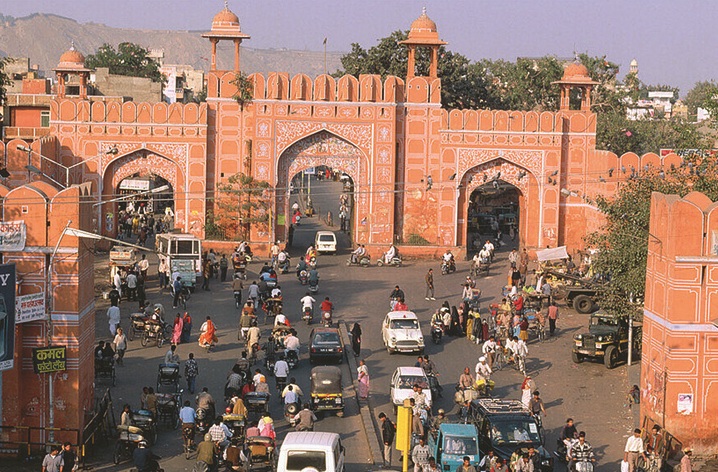
Integrating Creative Culture Clusters and Urban Development: Jaipur
The study explores how integrating creative cultural clusters into urban development can support heritage conservation, socio-economic revitalization, and sustainable urban growth while responding to contemporary challenges.
-
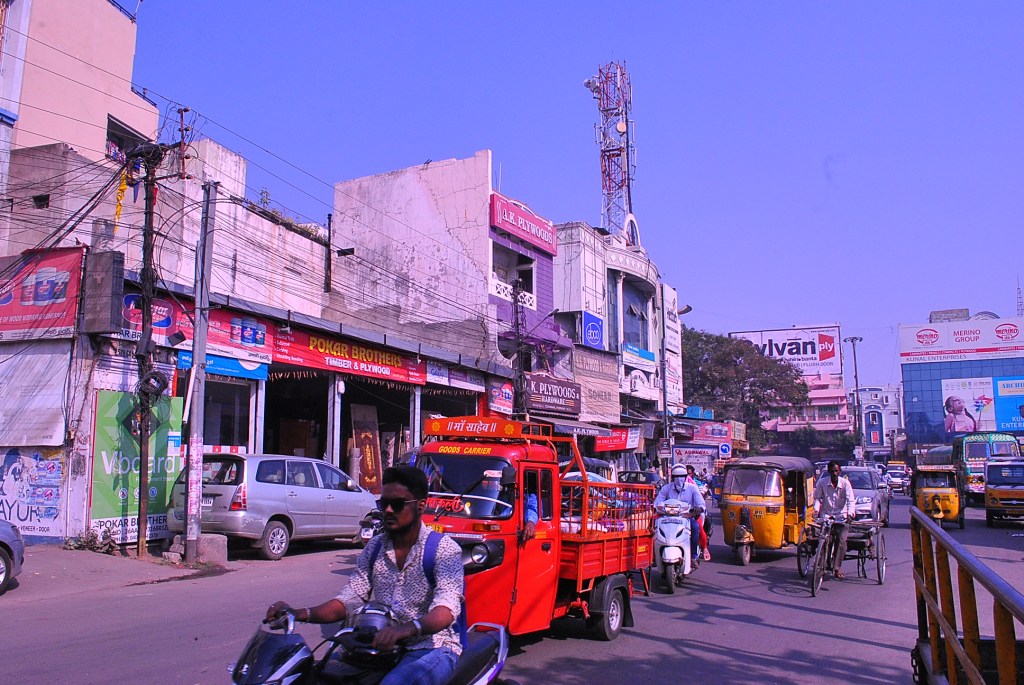
Complexsouth
Urban areas are labyrinthine ecosystems that manifest intricate patterns of human behavior, social interactions, and environmental factors. These complexities are not static; they evolve through time dynamics and system transformations, which are driven by various forces, including technological advancements and changing societal needs. To understand and navigate this dynamic urban complexity, we must employ engagement…
-

Integrating Urban Circularity into Foodscapes
The thesis, titled “Integrating Urban Circularity into Foodscapes: An Approach towards Sustainable and Resilient Urban Development,” addresses the urgent need to transition from linear food systems to circular models that foster regenerative urban environments.
-

Infrastructure as an Ecosystem
This research challenges the traditional, technocratic view of infrastructure, typically treated as disconnected systems like transportation, utilities, and buildings, evaluated purely through metrics of efficiency and productivity. Such fragmented approaches fail to acknowledge the intricate, socially embedded realities that make urban life meaningful.
-

Bridging Urban and Natural realms
Case of National Park boundary in Thane City Keywords: Transitional Zones, Sustainable Development, Ecological Sensitive zone, Form Based Codes, forest Indigenous Communities In the context of rapid urbanization and growing environmental pressures, transitional zones between forests and cities offer important opportunities for sustainable development. These areas, where natural ecosystems and built environments meet, are critical…
-
The Crisis of Architectural Education in India – V
Architectural institutions have long operated within pre-assumed frameworks of technology, often reinforcing regimented boundaries rather than critically examining their embedded conditions.
-

Cultural Territories: Case of Nashik
Cultural Territories are tangible and intangible forces that underpin historic networked conditions and forms valuable relationship along with diverse historic & contemporary circumstances.
-

Urban Resilience in Coastal Cities: Urban Form X People X Ecology
The study employs a systems approach to uncover the inter-dimensional relations between urban form, people, and the ecology.
-

Historic Cities | Imagining Past as Future: A Case of Ahmednagar
The thesis intends to understand the extent and interrelation of the historic layers expressed through historic buildings and monuments with their extended environment and urban form by analyzing the role and status of Heritage
-

Understanding Urban Incongruity
There is a need to derive a negotiating framework through understanding incongruity by recognizing the existence of complex spatial informal networks that have evolved over time.
-
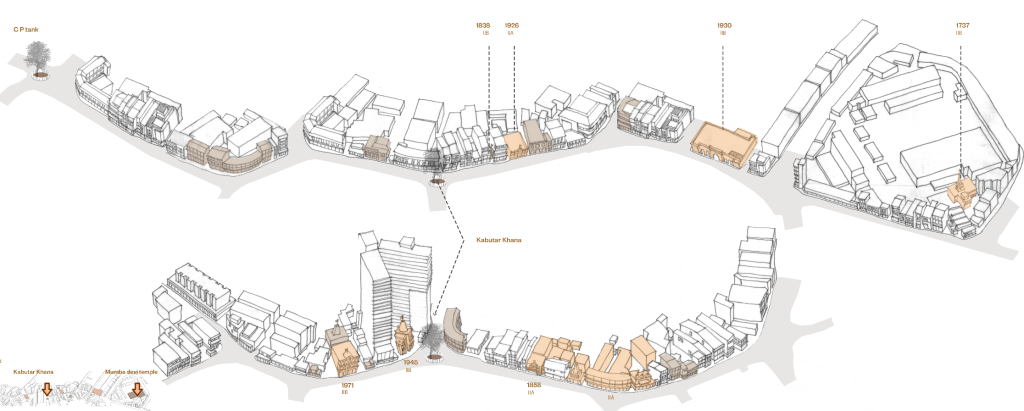
Cultural Resilience of Urban Form:
The thesis tries to establish the need to Retain, Repair, Reuse or Redevelop historic built forms by categorizing them into high-resilient and low-resilient zones to avoid the homogeneity of urban form in the historic native town of Mumbai.
-

Negotiating Housing: Aurangabad Studio
When we discuss the housing in Indian context, one faces the complexity & multiplicity of issues that shapes the house and housing. Having said that, the housing policy and manifestation in contemporary time chooses to evade many of such complexities through uniform policy structure and creates a scenario of replicability and anywhere-ness.
-

KRVIA ELECTIVE | POP CULTURE AND SEMIOTICS: Multi-Disciplinary Discourse
The postmodern is distinguished by the idea that there is not one but many truths and that the notions of truth are culturally and historically relative constructions. In a postmodern world where old uncertainties are undermined and identities are fragmented, the way forward for those working with popular culture has become less clear. In such…
-

Heritage at the interface of nature and culture. An integrated approach for development of Kuttanad region
The study intents to investigate the existing proposal, interventions, and issues around the degradation of the system and provide solutions understanding the values and perceptions associated with the community and the changing aspirations and conflicts emerged amongst them.
-

Future of Community’s livelihood associated with Natural Assets –in Face of Urbanization
This study critically analyzes the current development approach & co-relation between Natural assets and Community livelihood for the Dharavi Island and will provide with an alternate approach which can help in protecting the Ecological assets & Community livelihood.
-
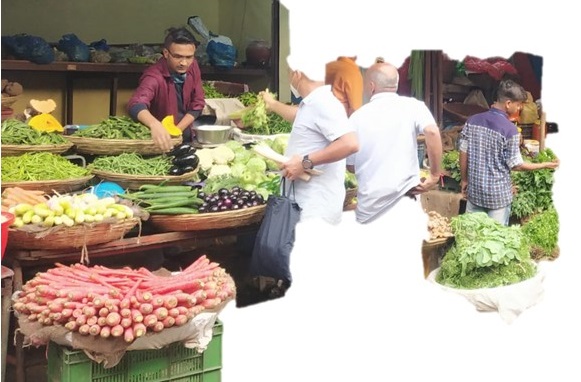
Urban Farming
This thesis aims in understanding the role of food in the city in today’s times. It intends to re-emphasize this important relationship between food systems and the urban form and then use Urban Farming as a tool to restructure the city fabric.
-
![[Re]-Thinking the Cultural Integrities of a Historic Urban Center](https://betweenarchitectureandurbanism.com/wp-content/uploads/2022/06/10.jpg?w=1024)
[Re]-Thinking the Cultural Integrities of a Historic Urban Center
This thesis intends to examine the workability of dynamic concept of cultural integrities which can precisely cover the larger context of the cultural dimension in sustainable development of a city.
-

Crime and Urban Infrastructure
The research intends to investigate and discuss the relation between crime and urban infrastructure.
-

Re-Integrating Derelict Waterways -A Case of Kollam Canal, Kerala
Water and its management within ecosystems have always been the most crucial aspect of any settlement. Water flow has been modified and diverted to create hydraulic systems for meeting the energy, commerce and food requirements of the society.
-

Urban Coalescence: Employing the BGI model as a contemporary resolve for the socio-ecological concerns
A vivid reminder of how today’s world came to be the way it is, when industry employed entire communities and provided the heartbeat for many towns and cities. In this respect these historic industrial landscapes deserve our closest attention.
-

Sense of Place: Through Entrepreneurial Setups
Indian cities are known for the liveliness that projects high urban vitality in their traditional way of life. Entrepreneurial setups of varying scales grown organically at every other street, junction, and around prominent structures have been a characteristic of vibrant Indian cities.
-
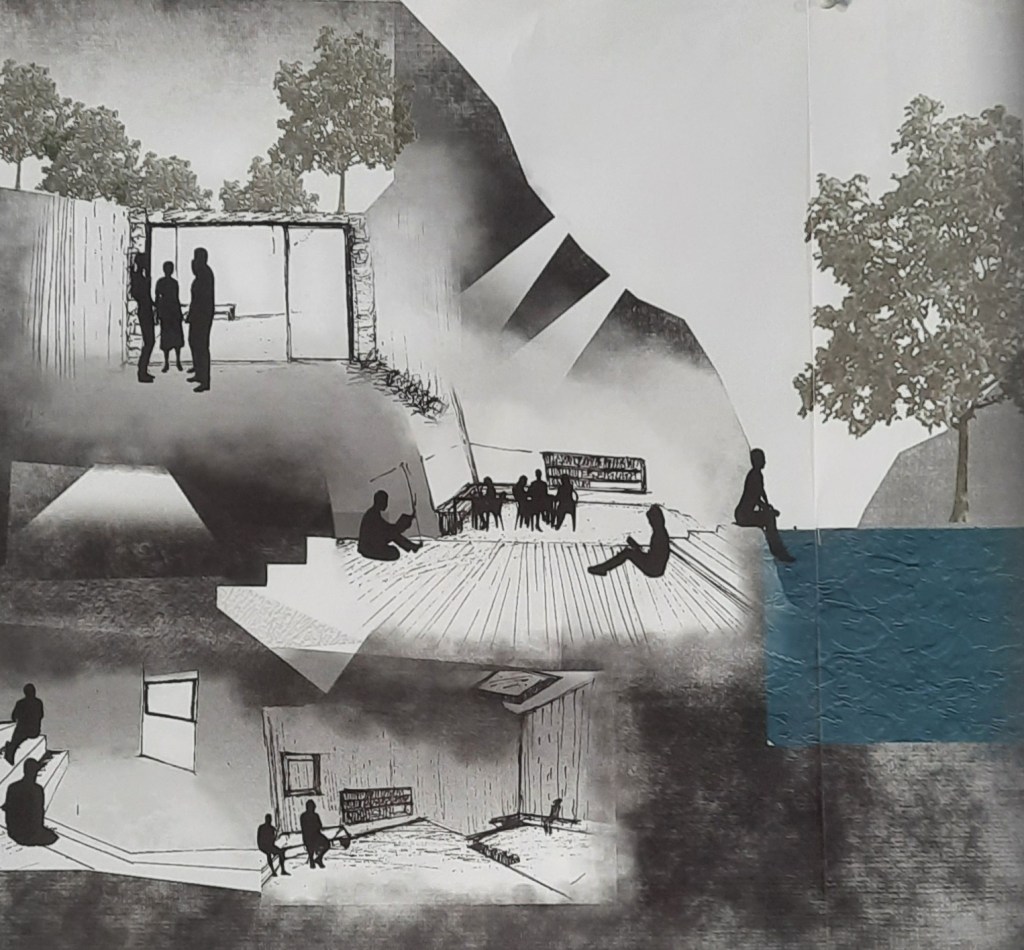
New Geographies
The New Geographies studio will look into renewing older associations and making new ones, between the physical and the metaphorical, the human and the natural, the community and its context, and most importantly, between our need to survive and our desire to conserve. How can architecture suggest renewed ties between a community and its habitat?
-
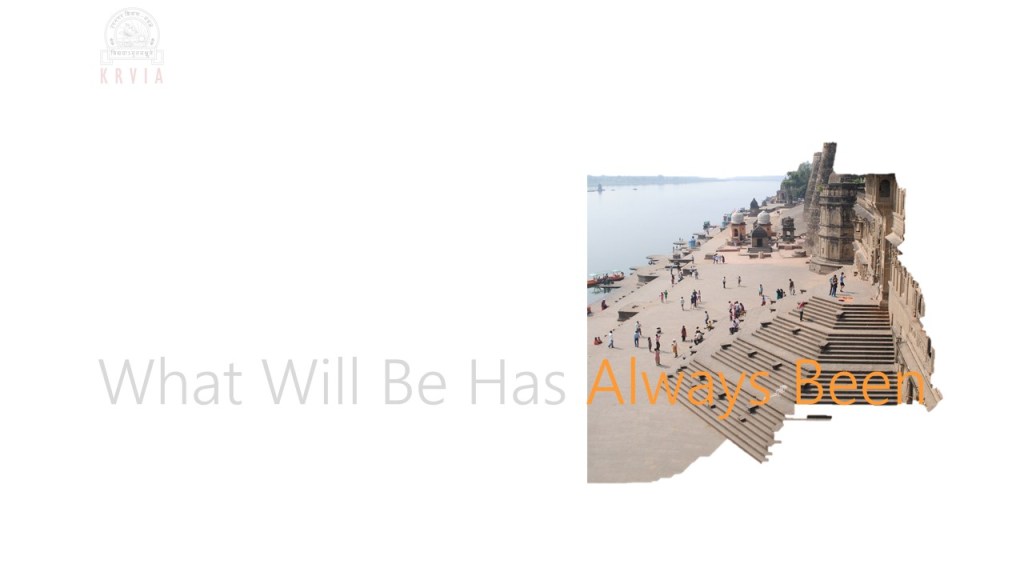
What will be has always been
We all are born with sense of what to do. Within our singular limit we know instinctively that, given an opportunity to put the ideas into practice, we know what to do almost instantaneously, if what we do is true to our singularity.
-
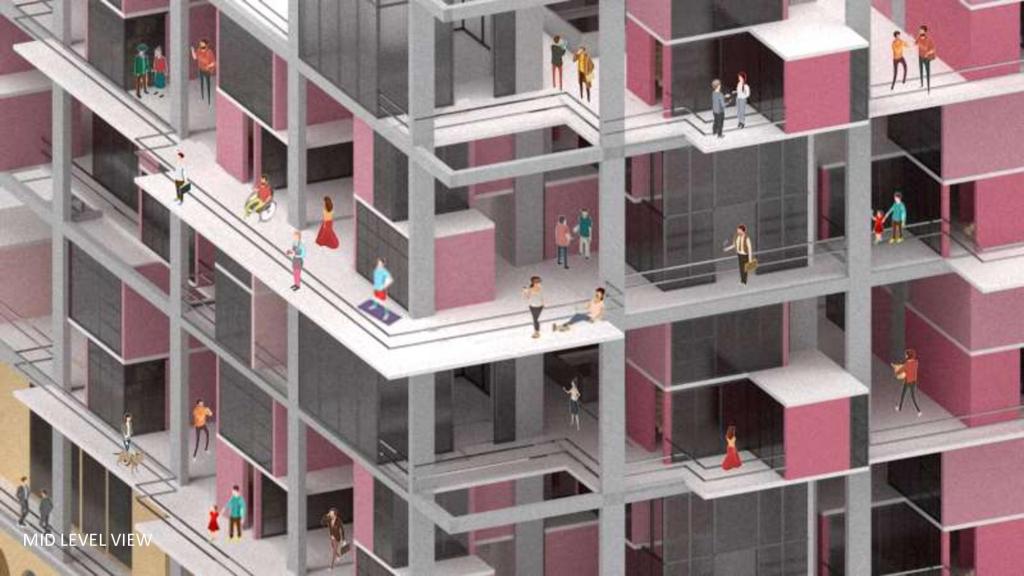
KRVIA Bridge Studio: 2021
The objective of the studio is to expose and explore academics related with emerging housing typologies that are necessary with changing times and as newer paradigms unfolding in living and working relationships with the city.
-

Changing Nature of Public Realm and Its Role in Urban Transformation
What defines the character of a city is its public space. Public places affect the image of urban communities and are vital for the urban culture and city life.
-
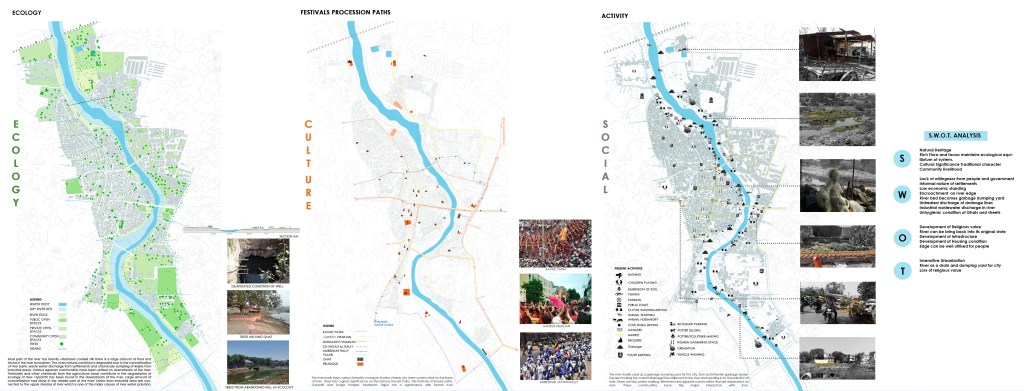
Integrating Natural System of The River in Urban Environment, A Case of Morna River: Akola
The thesis research attempts to study the changing relationship between human and nature through the lenses of ecology, culture and social under the extent of urbanization. It aims to re-establish the lost cultural, social and ecological value of river through public realm in a way that creating a relationship between city and natural environment.
-

Opportunities in historic core of pilgrim towns: case of PandharpuR
Thesis intended to study the association of user (local, pilgrim and tourist) with the built environment and natural environment of the historic core for a holistic approach to conserve the historic core with all its physical and dynamic structural attributes, dealing specifically with the case of historic town of Pandharpur, Solapur
-

Understanding the Notion of Social Spaces within Market Streets
Streets are the crucial part of cities, and with mixed-used pursuits, they become dynamic yet enigmatic. These pursuits speculate a celebration on the streets, creating a thread of character and culture for the city.
-

Developing temporary urban commons by making land uses floating:
This thesis majorly works to give a solution to retain the urban commons or to increase them by making the land uses floating for reserved lands, and their surrounding neighborhoods.
-

Examining the role of quasi formal settlements in the spatial growth of tier two cities: A case of Gunthewari layouts in Aurangabad
The Quasi formal settlements, is a recurring phenomenon observed in the peripheries of the rapidly urbanizing second tier cities and is popular due to the opportunities it provides to the residents. Thus this thesis is an attempt to contribute towards highlighting the presence of quasi formal zones in the urbanizing city through the case of…
-

Strengthening Spatial Dimensions of Landscape and Culture: Case of Nashik, Maharashtra
The thesis aims to study the relationship between human, nature and culture through folklores and mythologies to understand their influence on the spatial organisation of the historic city of Nashik to develop an appropriate strategy for conservation linked to urban development to retain the landscape of various values.
-
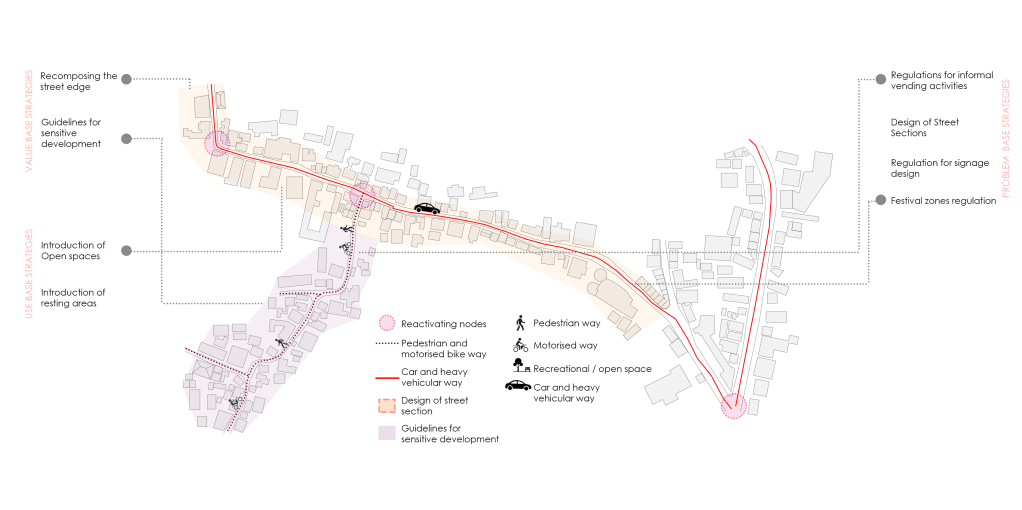
Community Regeneration through Urban Form of streets – A case of Kalyan
The main aim is to understand the importance of streets as centers of social, commercial and physical interface of different activities on a daily basis. The theories of everyday urbanism, life between the buildings talk about streets as important places of communication.
-

Shaping identity of Tier-Two City through collective memory
The thesis aims to use collective memory as a medium for tier two cities to draw out the nuanced forms of place identity and set a framework to enable development integrated with conservation practice in the historic urban environments .This thesis looks to form a framework that would highlight the uniqueness and peculiarities as crucial…
-

Transactional Spaces within Postmetropolis – Sociability in the Public Realm: Case of pune
The reflections of integration of global economy within Indian cities have been observed with the rapid urbanization of the central city and peripheral areas in the last three decades.
-
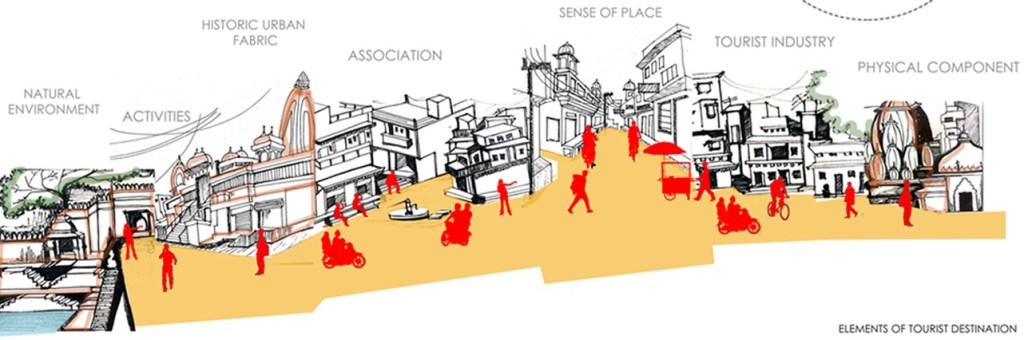
Conservation Management Plan for Mass Tourism: Historic Core of Udaipur
Increased leisure time and changes in lifestyle and consumption patterns have given renewed importance to tourism that either can encourage the preservation and maintenance of the cultural heritage or can be the reason for growing challenges in terms of impacting the relationship of the environment with the built, the significance of the destination and the…
-
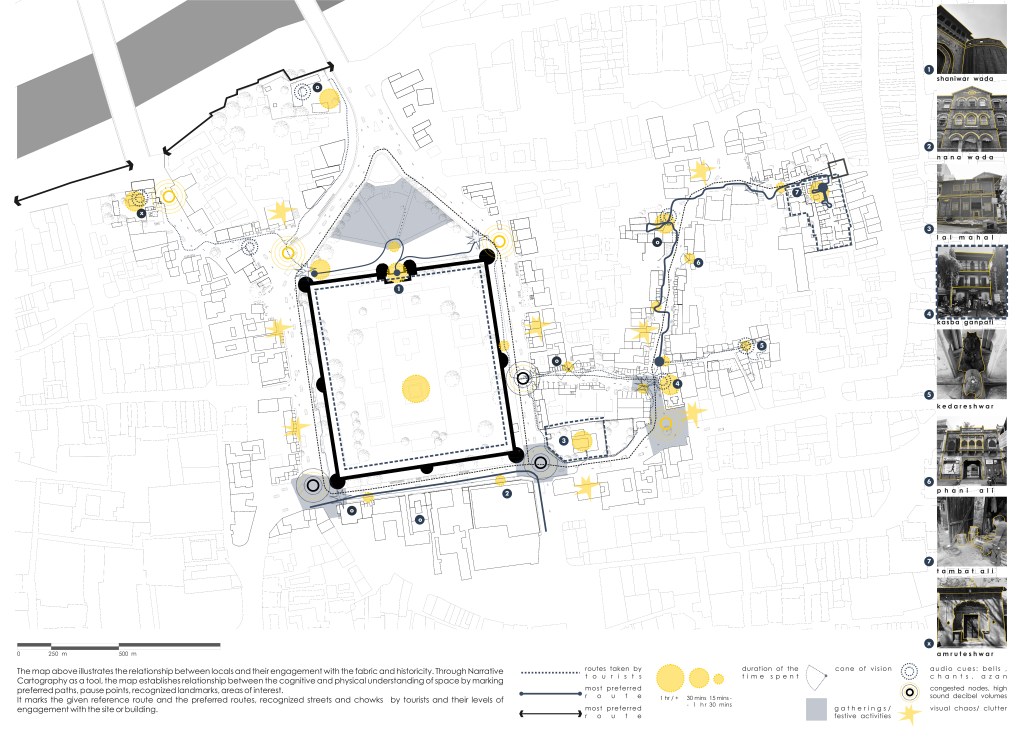
Developing a Conservation Framework for the Historic Core through Phenomenology: Pune
he current development practices governed by logics and codes fail to address this kinetic layer of experience, human associations and engagements; the salient aspects of phenomenological approach, thereby resulting in disjunction of people with their surroundings and razing the ethos of the historic cores.
-

Managing the Impacts of a Temporary Pilgrim Event: A Case of Alandi- Pandharpur Waari.
Indian cities are in constant motion. They are composed of different layers. One form is everyday and other is temporary. There are many cultural, religious events which are temporary in nature, taking place periodically around the cities.
-
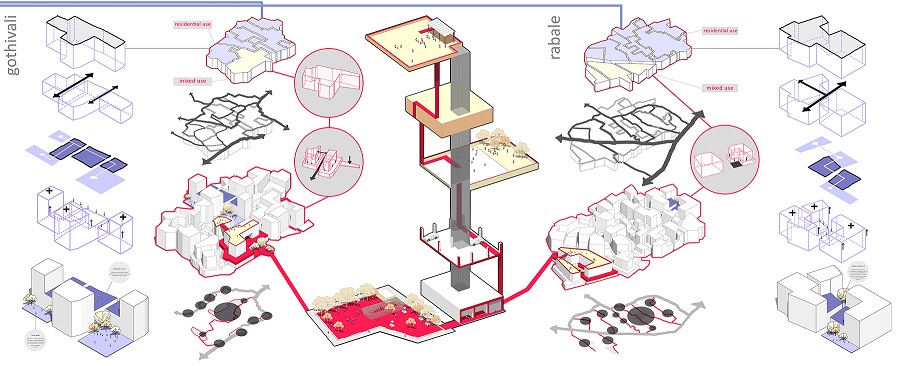
Polarisation
City creation is a practice that evolves historically by allowing different urban actors to contribute within this ‘process of creation’ and that a satellite city negates this choice
-
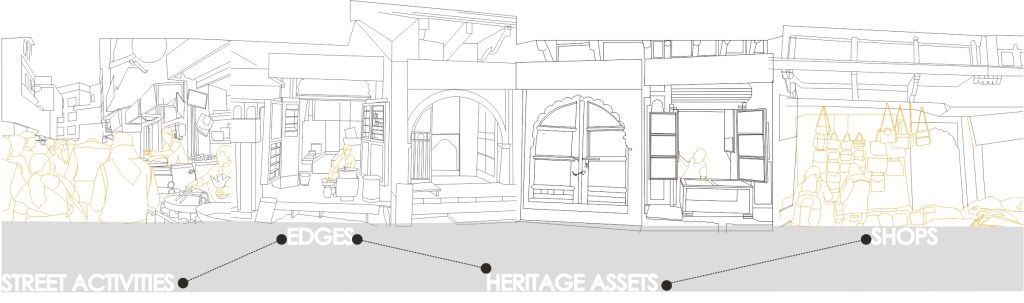
Conservation of Streets-Reaffirming Sense of Place: Mathura.
This study dissects the anatomy of Streets that provide varying experience to the users through different modes, interaction through multiple activities, communication, movement pattern and a place for conversation for the people.
-
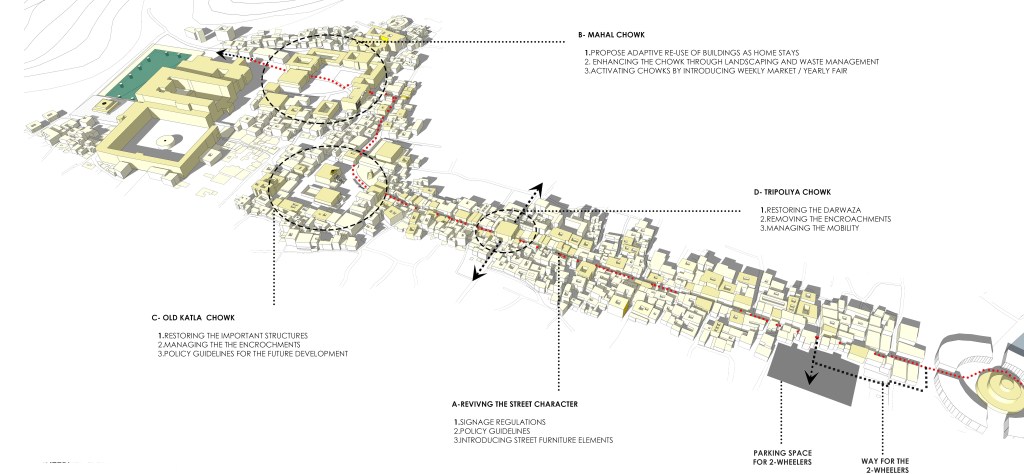
Reviving the Historic Core Through Community Spaces: A Case of Alwar
The research aims at examining the issues and challenges faced by the historic core and investigate and understand the reason why the local-community of historic core is moving to the suburbs. The aim of the thesis is revival of the historic core through community based approach.
-

Gender conscious approach towards conservation of “Shaktipeethas”, Places of Female Divine: A case of Mahur
Author: Chandan Jain | Krvia – Post Graduate Program | 2020 In India there is contradiction between patriarchy system and the traditional veneration of goddess for her sovereignty. There are diverse and conflicting views available on the position of females in religious texts, starting from feminine leadership as the uppermost goddess, to limiting her role…

