
Tag: History
-
Foundation of Thought: IV
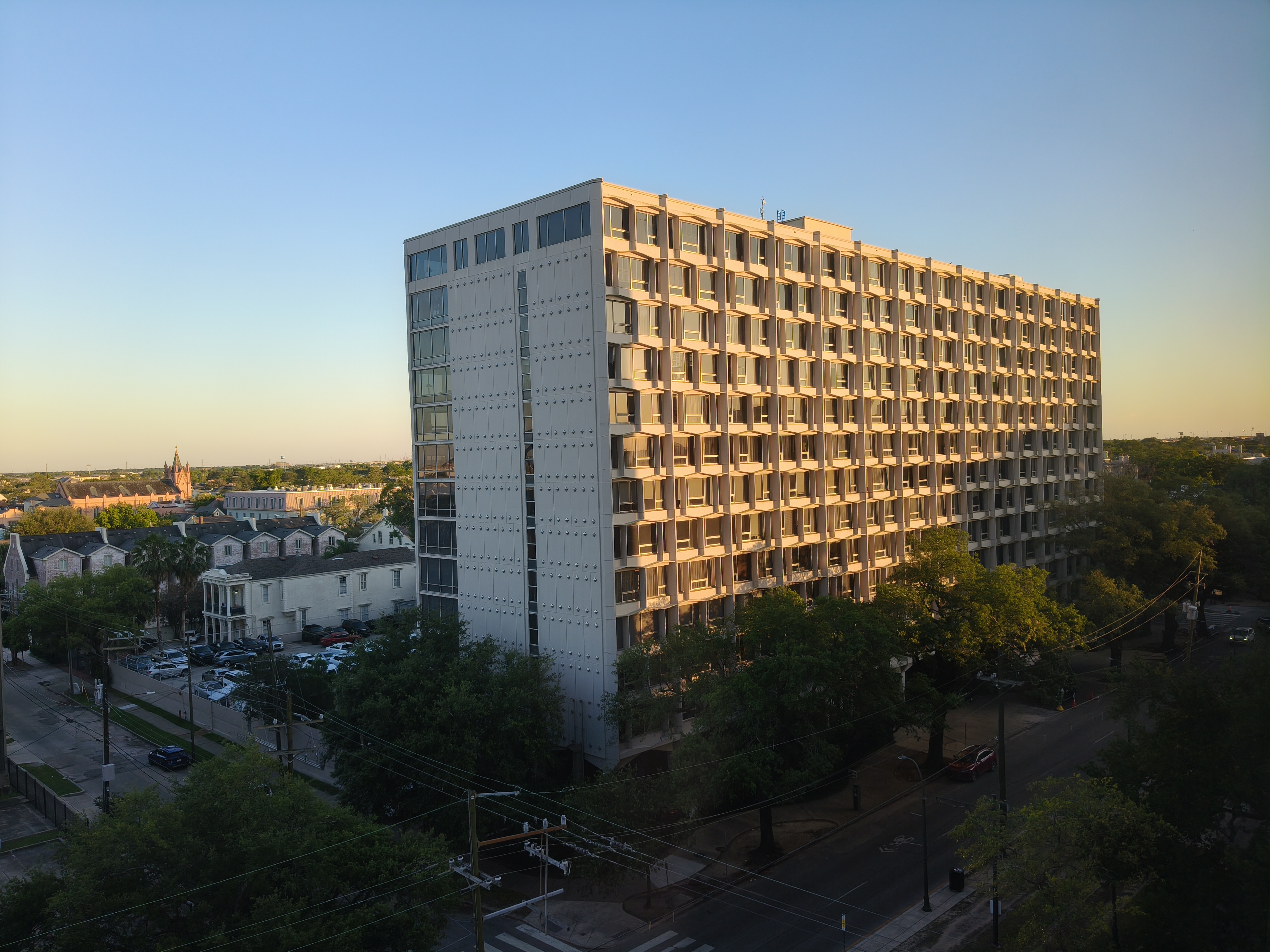
Architecture and Utopia: Tafuri is critical of the notion that architecture can serve as a direct instrument for social change or be entirely detached from the socio-political contexts in which it exists. Instead, he posits that architecture often mirrors underlying socio-political ideologies, ultimately serving the systems of power rather than catalyzing genuine transformation.
-
Reweaving the Living Sacred-scape through Collective Consciousness
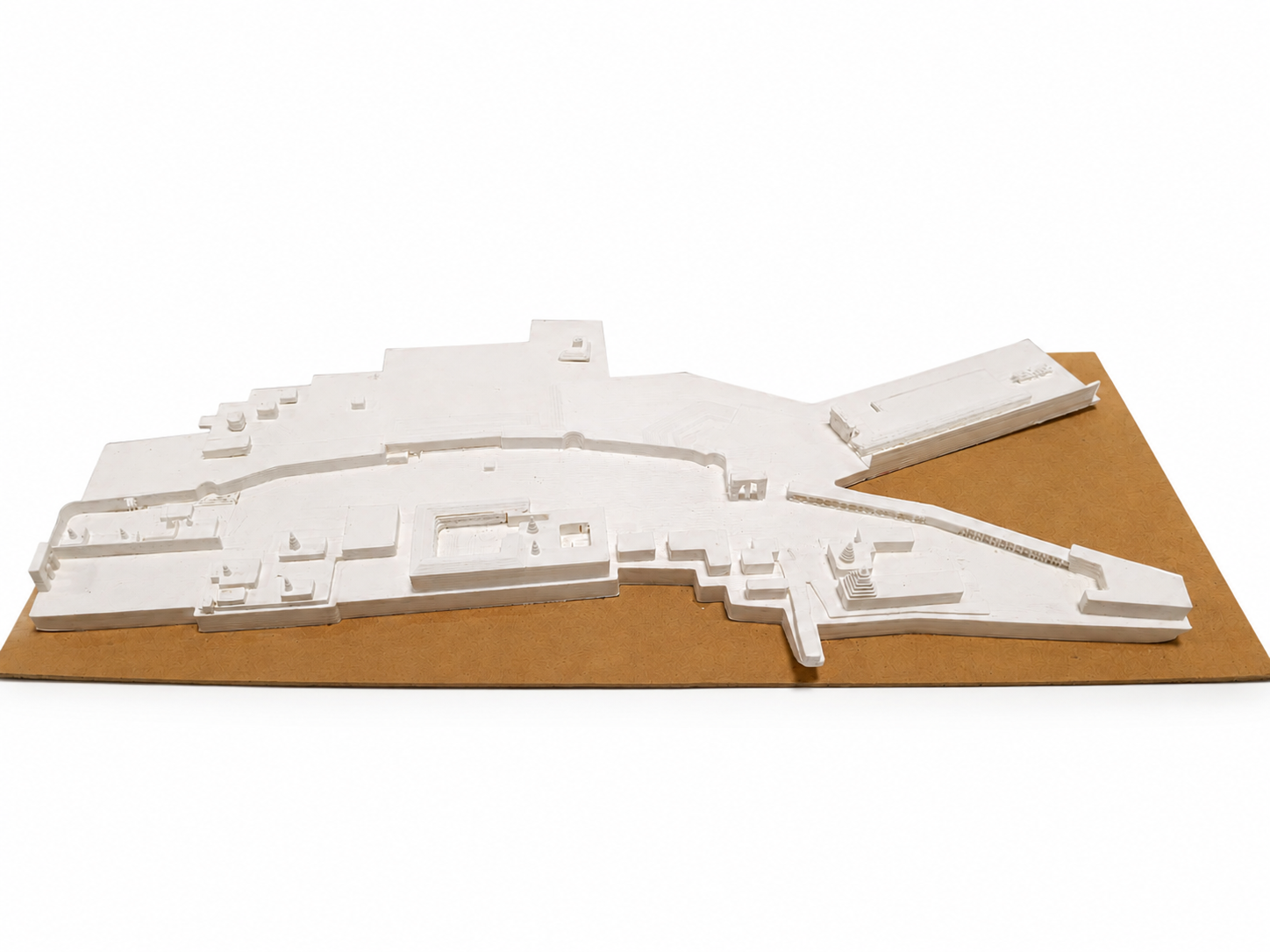
This study investigates how collective consciousness shapes, sustains, and transforms the sacred-scape of Gangakhed, a historic river-based pilgrimage town. Collective consciousness is understood as a shared system of beliefs, rituals, values, and cultural practices that binds communities and finds spatial expression through interconnected networks of temples, ghats, pilgrimage routes, public spaces, and everyday environments.
-

Cultural Economies & Urban Regeneration
The study is grounded in the concept of the symbolic economy, which recognizes culture as a dual system generating both economic and symbolic value.
-

Foundation of Thought: III
Aldo Rossi’s seminal work, The Architecture of the City (1982), reshaped the discourse of urban and architectural theory by framing the city as a repository of collective memory and identity.
-

Foundations of Thought:II
The exploration of architectural poetics, particularly through the lens of Antoniades’ Poetics of Architecture, significantly enhances architectural understanding, fosters the essential theoretical foundations critical for architecture students navigating today’s rapidly evolving architecture discourse.
-

Foundations of Thought:I
Kenneth Frampton’s “Modern Architecture: A Critical History” stands as a pivotal text in architectural education, offering students a comprehensive exploration of the evolution, context, and implications of modern architecture.
-

Integrating Creative Culture Clusters and Urban Development: Jaipur
The study explores how integrating creative cultural clusters into urban development can support heritage conservation, socio-economic revitalization, and sustainable urban growth while responding to contemporary challenges.
-
Global Cities
One of the central themes in Sassen’s analysis is the intersection of global economic forces with local conditions. She posits that global cities function as command posts for the global economy, facilitating the flow of capital, information, and labor.
-

Frank Gehry
The architectural world will always remain indebted to his work for his willingness to disrupt the comfort of established orthodoxy, compelling the discipline to continually rethink what a building can be and how it can be experienced.
-

Two Buildings by Antoine Predock: Phoenix
Antoine Predock’s architecture occupies a distinct and influential position in contemporary American design, defined by its powerful engagement with landscape, movement, and cultural memory. His work consistently resists conventional formalism, instead emerging from an intimate reading of place—its geology, climate, and mythologies.
-

Composition of Architectural Theory
The intersection of architectural theory with respect to cultural studies and cultural theory has become increasingly important in the discourse surrounding contemporary architecture.
-
Baroque Materialism in Hudson Yards
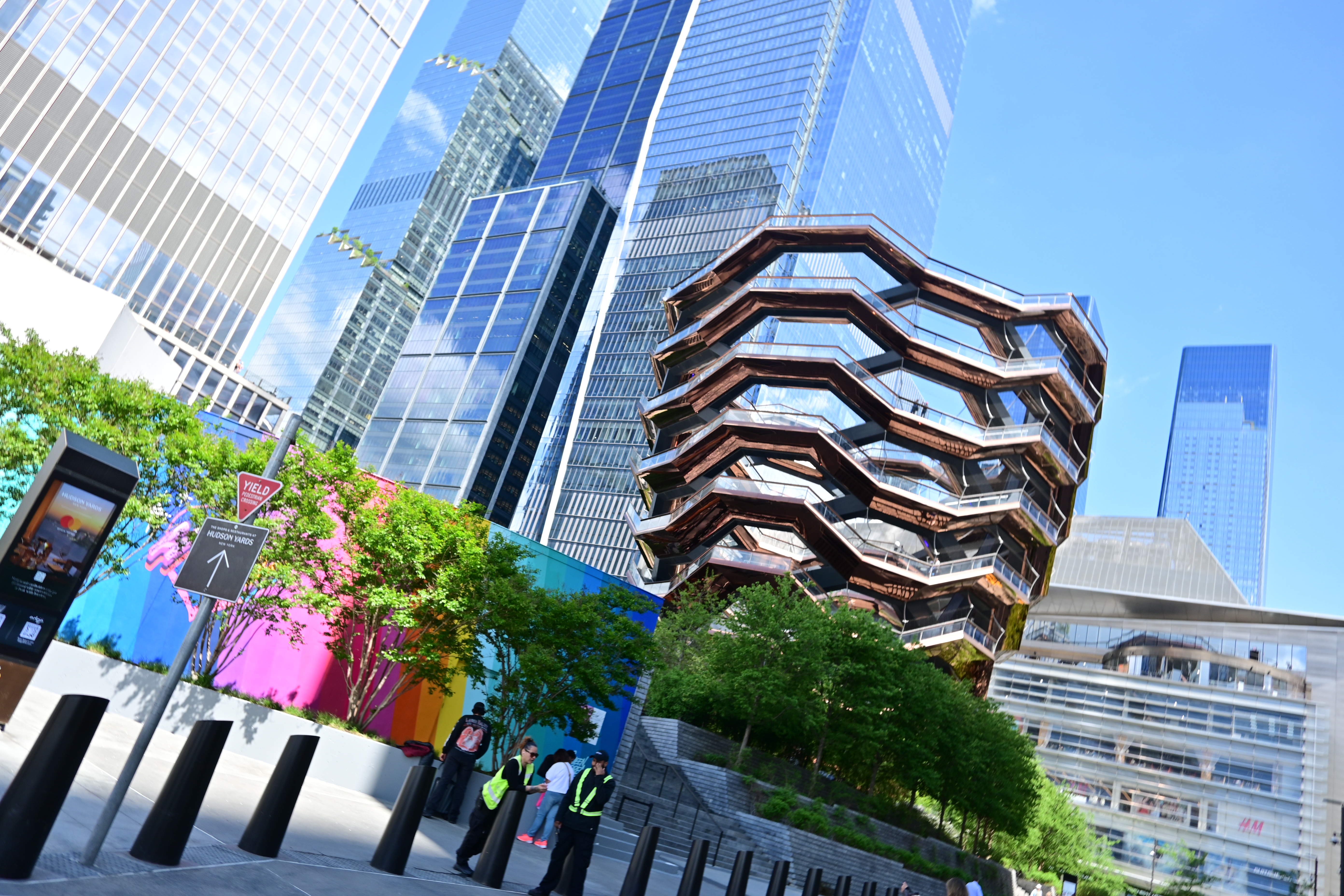
The Vessel project, although celebrated by its greatness and scale, reflects a disconcerting reality: the prioritization of the show on the substance, a distinctive seal of baroque thinking and contemporary capitalist culture.
-
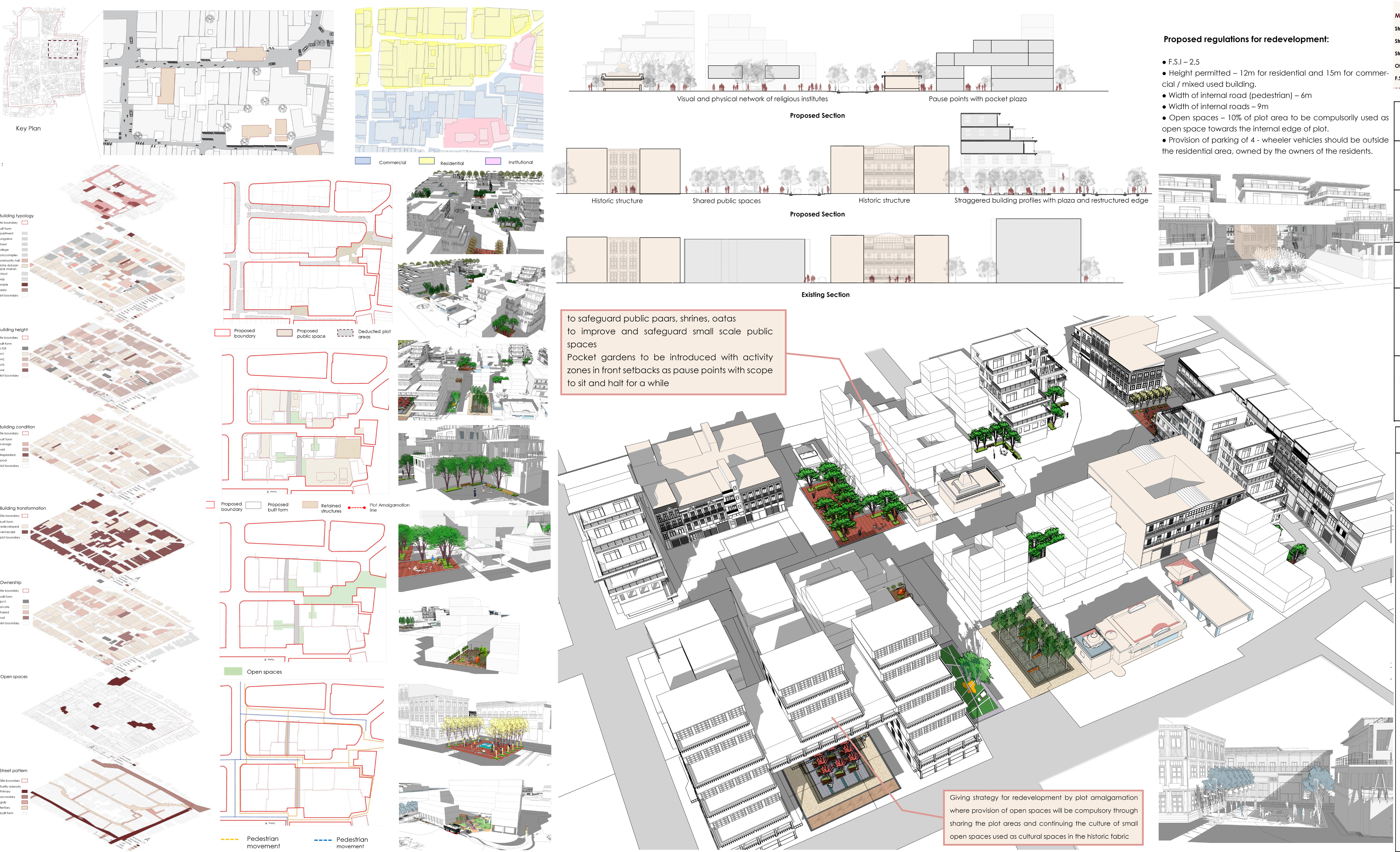
Infrastructure as an Ecosystem
This research challenges the traditional, technocratic view of infrastructure, typically treated as disconnected systems like transportation, utilities, and buildings, evaluated purely through metrics of efficiency and productivity. Such fragmented approaches fail to acknowledge the intricate, socially embedded realities that make urban life meaningful.
-
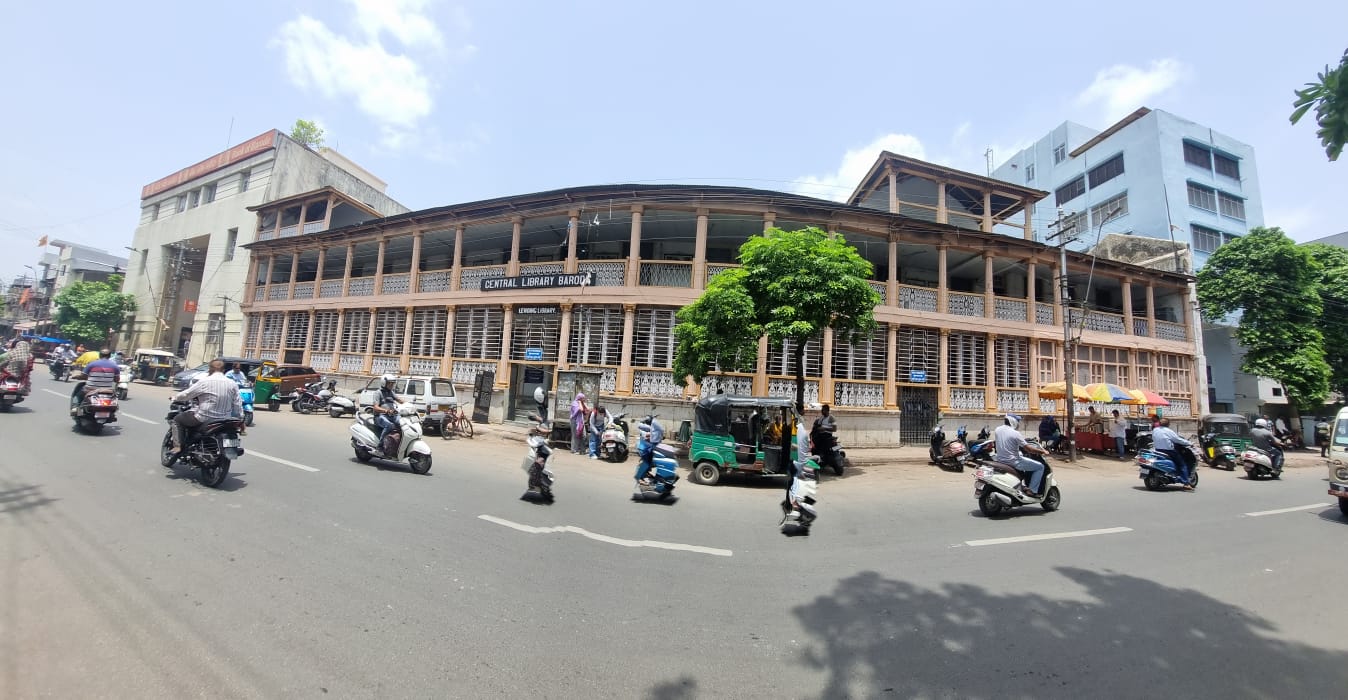
Vadodara Central Library: Edwin Lutyens
The library is a poignant representation of the role of architecture in the formation of social values and promotes community identity in a world of rapid change
-
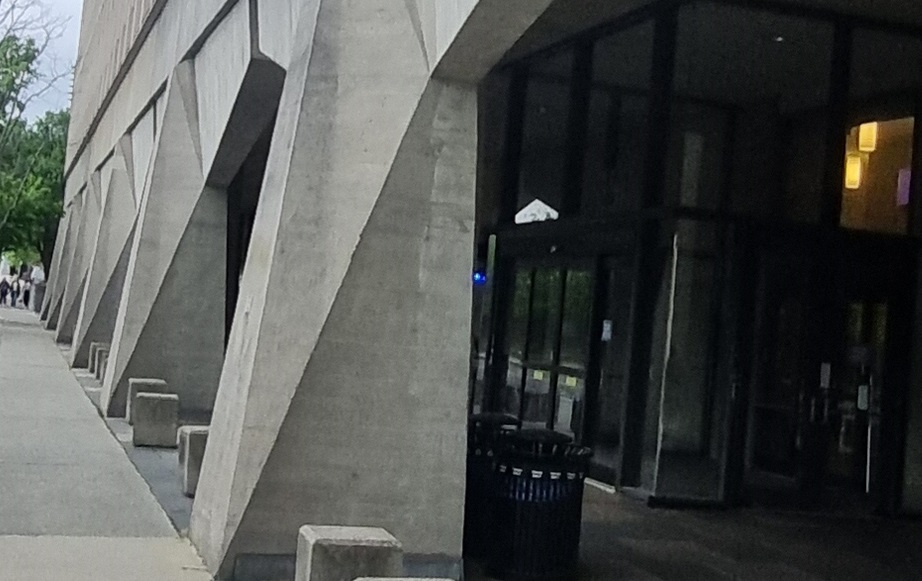
The Architectural Significance of Marcel Breuer’s Becton Engineering Building
Two buildings primarily dotting up the Yale University Campus architecture at New Haven. The Paul Rudolph’s Art and Architecture building and Marcel Breuer’s Becton engineering building. Both are the finest example of brutalist phase of modern architecture
-
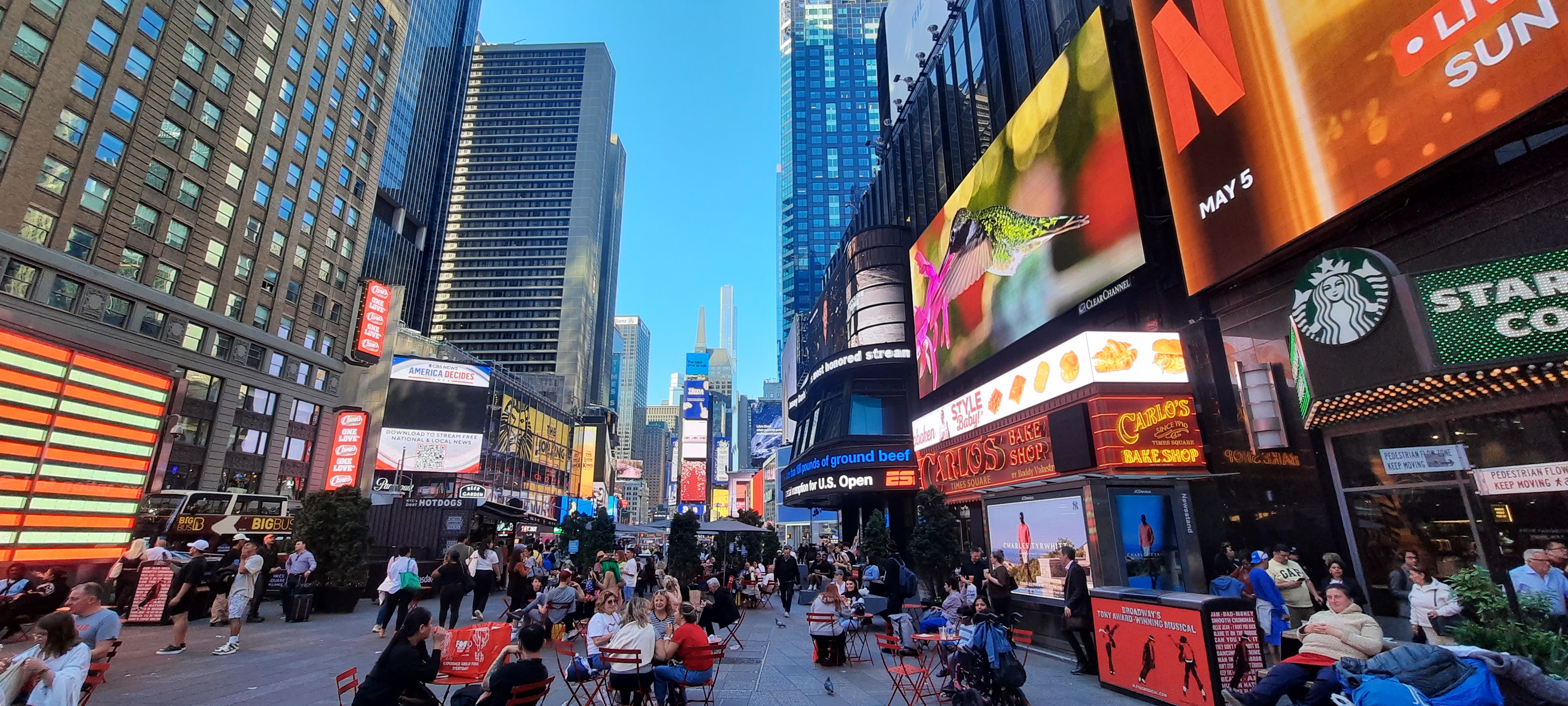
Architectural Nemesis: The Clash of trends and the Evolution of Identity
The concept of architectural nemesis offers a convincing lens through which to examine the interaction between conflicting styles and philosophies within architectural discourse and its manifestation.
-

The Crisis of Architectural Education in India – V
Architectural institutions have long operated within pre-assumed frameworks of technology, often reinforcing regimented boundaries rather than critically examining their embedded conditions.
-

The Crisis of Architectural Education in India – IV
The architectural theory reflects a dynamic interaction between aesthetic ideals and socio-political contexts, shaping the built environment.
-

The Crisis of Architectural Education in India – III
The architectural studio, a cornerstone of design education in India, faces multifaceted challenges that hinder its ability to produce architects equipped for contemporary realities
-

The Crisis of Architectural Education in India – II
This is a critical observation that highlights the stagnation in architectural academia, especially in institutions where knowledge production does not evolve with contemporary discourses. The absence of updated ways of thinking about architecture and the built environment, combined with a disconnect from global trends, results in a lack of self-evaluation and critical discourse within institutions
-

The Crisis of Architectural Education in India – I
Architectural education in India faces several critical challenges, many of which stem from a combination of outdated pedagogical models, regulatory constraints, and the rapidly changing demands of the profession
-

Exploring everyday urbanism and “cultural territories” in the context of Mumbai
This Research is a spatial exploration of everyday life within a ‘cultural territory’ to assess, design and create socio-culturally implicit spaces which are being hampered due to rapid urbanization process.
-

Cultural Territories and Urban Resilience
This is an ongoing effort to consolidate the resilience understanding in Indian context. The blog and video is an attempt to bring resilience perspective on soft cities. I: e culture of cities.
-
Architectural History and Theory: IES University, Bhopal