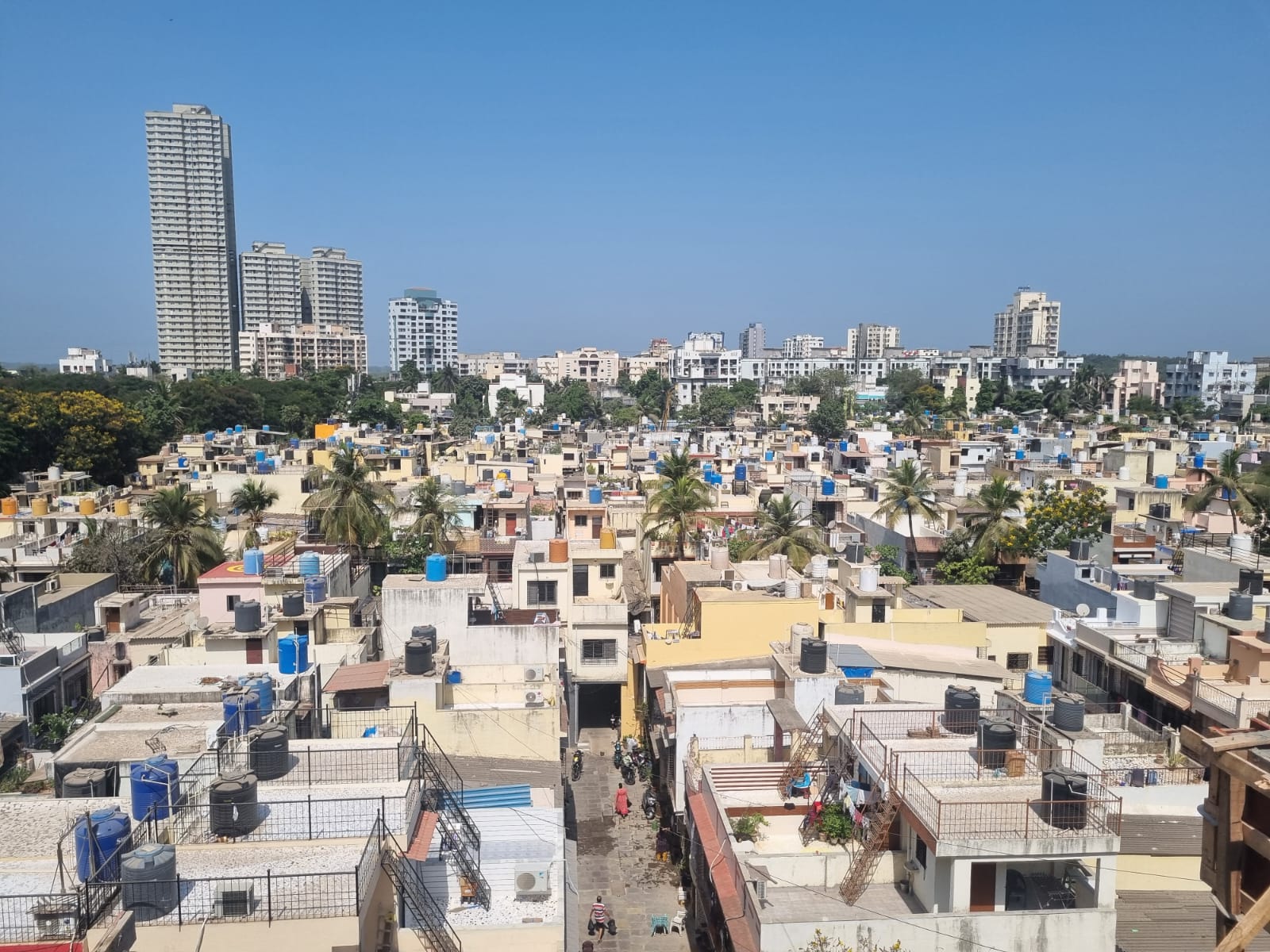
S, M, L, XL : Rem Koolhas, Bruce Mau
The collaborative work of Rem Koolhaas and Bruce Mau in “S, M, L, XL” stands as a pivotal exploration of the intersection between architecture and narratives that are both personal and societal. This ambitious publication redefines the nature of architectural discourse, moving beyond conventional presentations of design principles and structural aesthetics to embrace a more expansive and inclusive framework. Through a confluence of bold architectural theory, visually arresting imagery, and incisive essays, Koolhaas and Mau demonstrate that the creation of space is inextricably linked to the human experience, thereby capturing the complexities of contemporary life in the urban milieu.
At its core, “S, M, L, XL” serves as an innovative platform through which Koolhaas and Mau articulate their unique vision of architecture as a societal practice. The duality of their partnership manifests distinctly in the juxtaposition of Koolhaas’s rigorous, often provocative architectural theory against Mau’s graphic sensibilities and narrative-driven approach. This inventive collaboration fosters a dialogue that transcends traditional boundaries, allowing readers to engage with architectural concepts within a broader social context. The inclusion of personal narratives reflects the lived experiences of individuals within urban settings, challenging the notion that architecture is merely a discipline of form and function.
Koolhaas’s architectural philosophy often engages with the chaotic and dynamic nature of cities, a theme that reverberates throughout “S, M, L, XL.” His essays probe into the complex realities of urban existence, addressing the conditions of modern life that inform and shape architectural thinking. In parallel, Mau’s visual storytelling captures these themes through carefully curated images and layouts that evoke emotional responses alongside intellectual engagement. This interplay between text and image not only illustrates architectural concepts but also highlights the importance of context, social, cultural, and personal, in shaping our understanding of built environments.
The structuring of “S, M, L, XL” itself exemplifies this inventive collaboration. The text is divided into four classifications, each representing different scales of architecture: small, medium, large, and extra-large. This organization reflects a thoughtful consideration of space as it relates to human experiences at varying scales. Small projects invite intimate reflections on personal stories and domestic spaces, while larger projects tackle urban planning and public architecture, illustrating the tensions and synergies between individual narratives and collective experiences. The fluidity with which Koolhaas and Mau navigate these scales demonstrates that architectural discourse can be multifaceted and layered, revealing the deeper implications of design decisions.
The inclusion of critical essays within “S, M, L, XL” challenges readers to consider ethical and political dimensions inherent within architectural practice. Koolhaas and Mau navigate through thematic concerns such as globalization, consumerism, and urban decay, providing a platform for discourse that examines how architecture influences and reflects societal values. Their essays beckon readers to scrutinize the broader implications of spatial design, urging an analysis that encompasses not only the immediate impact on users but also the long-term repercussions on communities and cultures.
The exploration of societal themes is further deepened by the personal narratives interwoven throughout the text. In recounting experiences tied to specific projects or urban settings, Koolhaas and Mau personalize their architectural discourse. These anecdotes highlight the essential human connection to space, demonstrating that architecture is not merely about buildings but about the lives they encompass. This focus on personal experiences enriches the reader’s understanding of the emotional and psychological dimensions of architecture, making the subject more accessible and relevant to everyday life. It bridges the gap between the abstract principles of design and the concrete realities faced by individuals navigating urban landscapes.
The presentation of “S, M, L, XL” plays a crucial role in communicating its content. The book’s graphic style breaks traditional norms, merging text and image in ways that compel readers to engage with the material on multiple levels. The layouts are provocative, often placing contradictory ideas in close proximity, which mirrors the complexities of contemporary societal issues. This approach is emblematic of Mau’s graphic design philosophy, where visual elements serve not only aesthetic purposes but also facilitate deeper understanding of the text. As a result, the book becomes a key artifact in examining how visual culture can intertwine with architectural thought to elevate discourse around societal themes.
In addressing themes such as urbanization’s consequences, the role of capitalism in shaping our environments, and the impact of technology on social interaction, Koolhaas and Mau position “S, M, L, XL” as a critical engagement with the present and future of architecture. This innovative collaboration ultimately reflects an understanding that the built environment is not static; rather, it continuously evolves in response to cultural shifts and societal needs. As such, Koolhaas’s astute theoretical insights, complemented by Mau’s evocative visual narrative, create a rich tapestry that invites ongoing reflection and dialogue.
Through their collaboration, Koolhaas and Mau have forged a new path in architectural literature, one that initiates the integration of personal narratives and critical essays into the architectural discourse. By intertwining these elements, “S, M, L, XL” transcends conventional boundaries, providing readers with a multifaceted perspective on how architecture responds to and shapes societal dynamics. Their work exemplifies that through inventive collaboration, architecture can be a profound medium for exploring the narratives that define our collective existence, offering insights that persistently challenge us to rethink the spaces we inhabit. In doing so, Koolhaas and Mau not only redefine the landscape of architectural publishing but also prompt us to engage more deeply with the intricate web of relationships between place, identity, and society at large.
Image Credit: Manoj Parmar Architects
Leave a Reply