
Discourse on Modernity, Urban Studies and Globalization
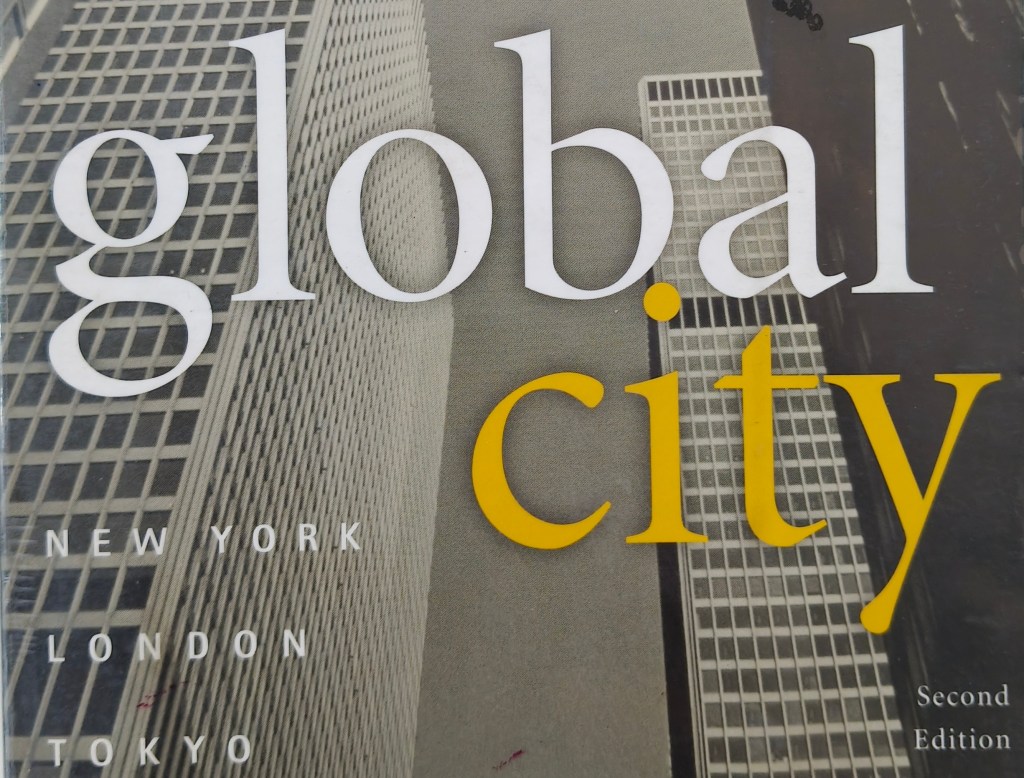
Saskia Sassen’s work, particularly her seminal text “The Global City,” has emerged as a pivotal contribution to urban studies and the discourse on globalization. Through a nuanced analysis of the ways in which global economic processes reshape urban centers, Sassen challenges conventional notions of urbanism while addressing complex socio-economic dynamics. Central to her argument is the idea that cities such as New York, London, and Tokyo are not merely localized entities but integral nodes within a global system. This conceptual reframing allows for a deeper understanding of how globalization transcends geographic boundaries and redefines social and economic relations.
One of the central themes in Sassen’s analysis is the intersection of global economic forces with local conditions. She posits that global cities function as command posts for the global economy, facilitating the flow of capital, information, and labor. In her view, these cities are characterized by a concentration of financial services, corporate headquarters, and advanced producer services, which collectively underscore their strategic global connectivity. This perspective allows for heightened attention to the implications of globalization and economic restructuring on urban life, particularly in terms of wealth disparities and social inequalities. Sassen’s focus on the structural positioning of global cities reveals how urban settings can both benefit from globalization and simultaneously exacerbate socio-economic divides.
Moreover, Sassen highlights the significance of labor dynamics within global cities. Her examination extends to the labor markets that are influenced by global capital; she emphasizes the dual nature of labor within these urban spaces, where high-skilled, well-paid jobs coexist alongside a growing segment of low-skilled, precarious employment. This bifurcation is indicative of broader patterns of economic inequality, as it reflects not only local labor market transformations but also the consequences of global economic policies. The implications are profound, suggesting that while globalization generates opportunities, it also perpetuates exclusion and marginalization for many urban inhabitants.
The role of migration in shaping global cities is another critical theme in Sassen’s work. She articulates how global cities attract diverse populations seeking economic opportunities, which contributes to their multicultural fabric. However, this influx of migrants also raises questions about citizenship, belonging, and social cohesion. Sassen argues that the experiences of migrants in global cities often reveal the tension between global economic demand and local sociopolitical contexts, thereby complicating notions of identity and integration in urban settings. This intersection sheds light on the varied experiences of urban residents and the structural forces that shape their realities.
Sassen’s contributions extend beyond the empirical realm, also engaging with broader theoretical debates regarding the nature of globalization. By framing global cities as sites of simultaneous integration and fragmentation, she encourages scholars to reconsider the impact of globalization on local contexts. Her work has significant implications for urban studies, challenging researchers to explore the interconnectedness of global processes and local experiences while advocating for a critical approach to urban policy and planning.
“The Global City” has left an indelible mark on both urban studies and globalization discourse. It has fostered a line of inquiry into the global-local nexus, highlighting the need for interdisciplinary approaches that account for the multifaceted nature of urban life in an era marked by rapid change. Sassen’s work continues to inspire scholars and practitioners alike, signaling the importance of understanding global cities not merely as regional hubs but as integral parts of a complex, interrelated global system where economic, social, and cultural dynamics continuously evolve.
Image Credit: Manoj Parmar Architects


Leave a comment