

NELSON FINE ARTS CENTER
Antoine Predock’s Nelson Fine Arts Center and ASU Art Museum stand as pivotal works in late-20th-century architectural discourse, exemplifying the convergence of spatial experimentation, environmental responsiveness. Far from functioning merely as facilities for artistic display and instruction, the building articulates an architectural argument—one that positions the built environment as an active participant in the formation of contemporary artistic and educational practices. Predock’s design synthesizes landscape, materiality, and form to craft a spatial language deeply attuned to the cultural and ecological conditions of the dessert setting.
The Nelson Fine Arts Center’s rugged tectonics and asymmetrical massing directly reference the geology and atmospheric intensity of the Arizona desert. Its textured surfaces, shifting planes, and sculpted voids create a topographic presence, situating the building as both a constructed artifact and a landscape analog. This contextual strategy moves beyond superficial imitation of site characteristics; instead, it frames the desert as an essential resource. Students and visitors encounter architecture not as a neutral container but as a dynamic extension of the environment—one that shapes perception, movement, and the interpretation of artistic work.
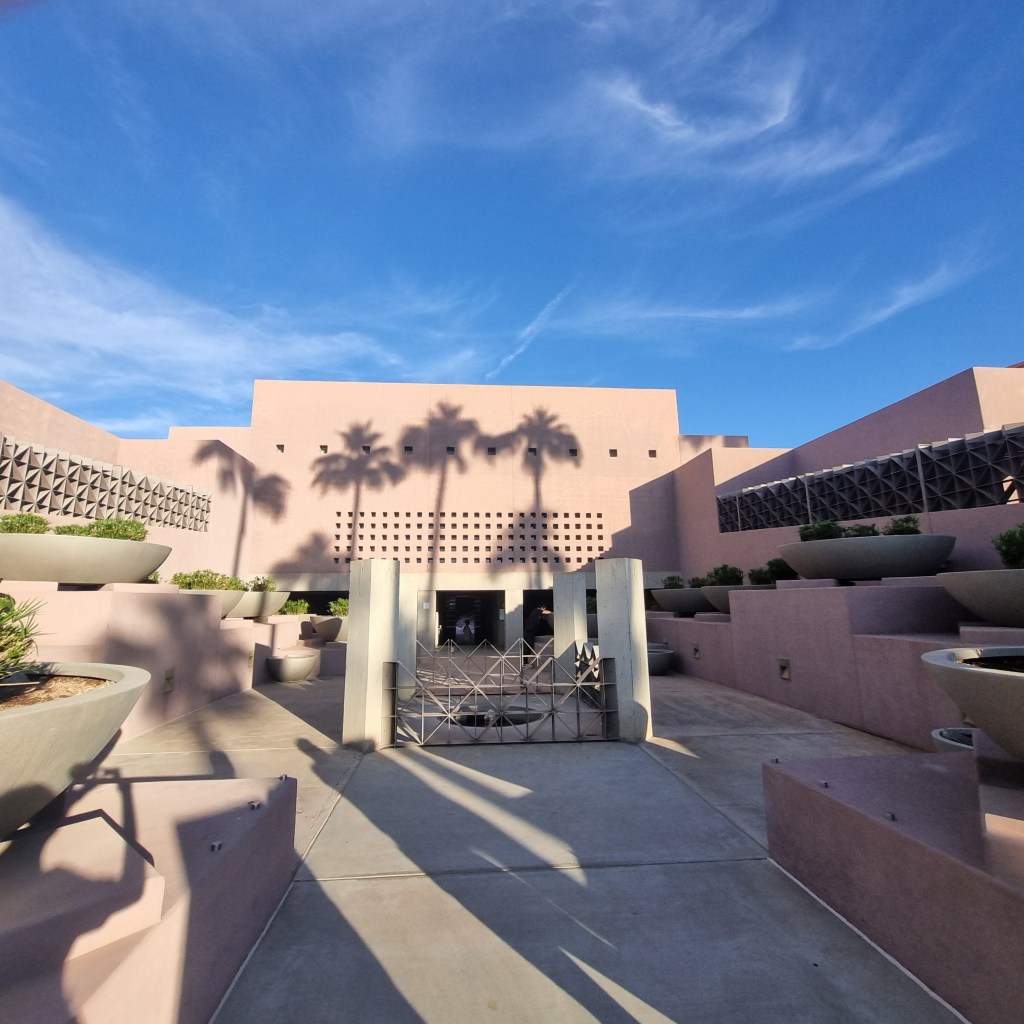
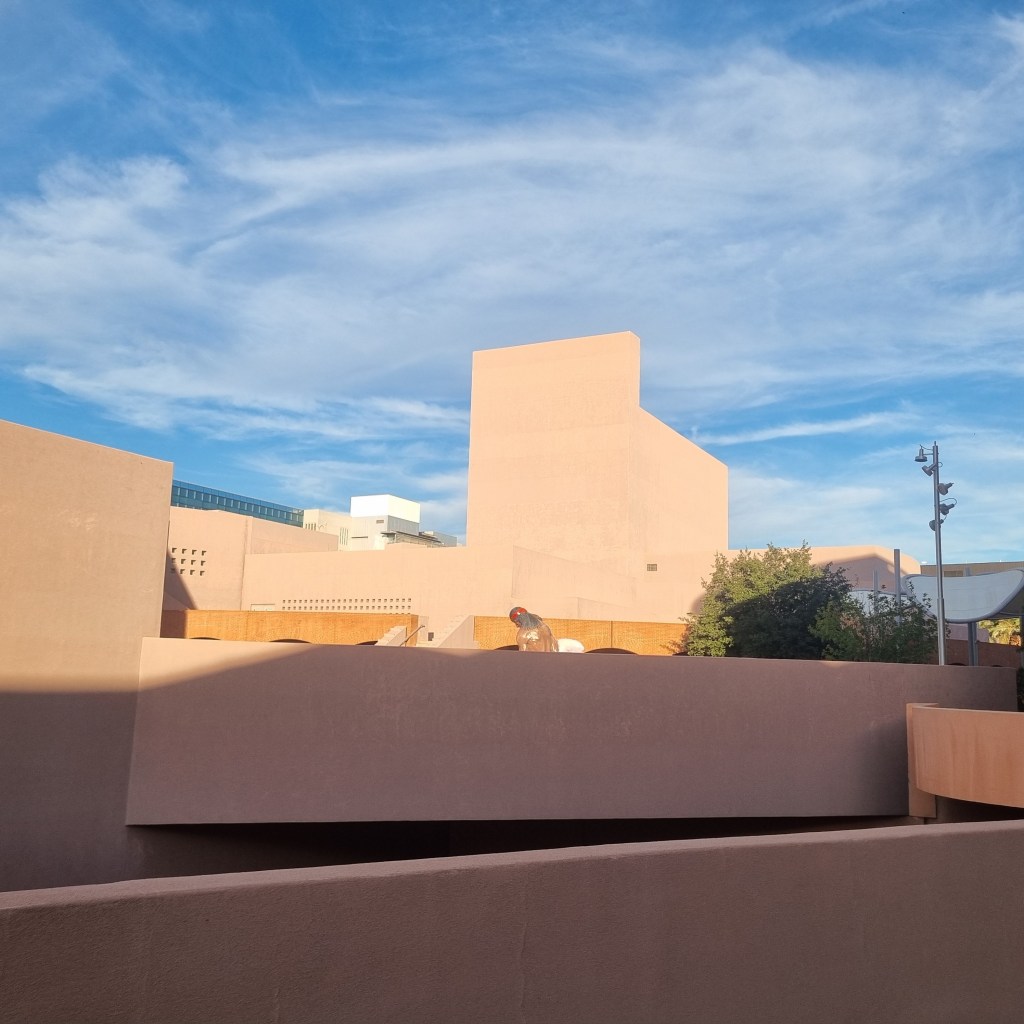

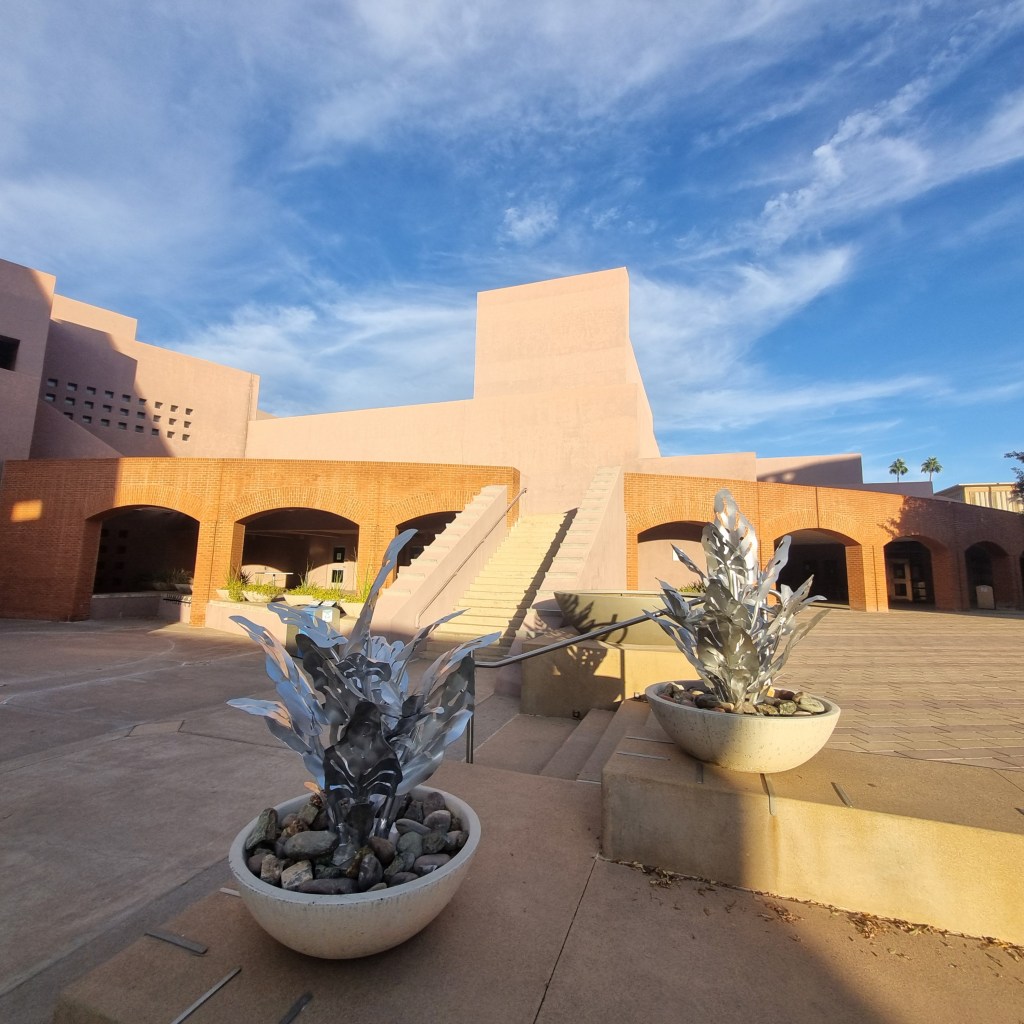
Within the Nelson Fine Arts Center and the ASU Art Museum, Predock pursues a spatial porosity that blurs the boundaries between learning, making, and viewing. Large, adaptable galleries and interstitial spaces encourage fluid reconfigurations, making the buildings responsive to evolving artistic practices. The interplay of natural light and controlled shadow enriches the experiential dimension of the interiors, creating a series of atmospheres that support both contemplation and experimentation. These interior conditions advance a critical stance on museum architecture: that it must accommodate not only finished works but also the processes, dialogues, and contingencies that define contemporary art.
ARIZONA SCIENCE CENTER
Antoine Predock’s Arizona Science Center stands as a compelling example of contemporary desert architecture, where formal experimentation, environmental responsiveness, and civic ambition converge. Predock’s work has long been grounded in a deep engagement with landscape and climate, and the Science Center demonstrates this sensibility with particular clarity. Rather than imposing an object upon its site, the building emerges from the conditions of Phoenix—its desert geology, intense light, and cultural emphasis on public gathering.
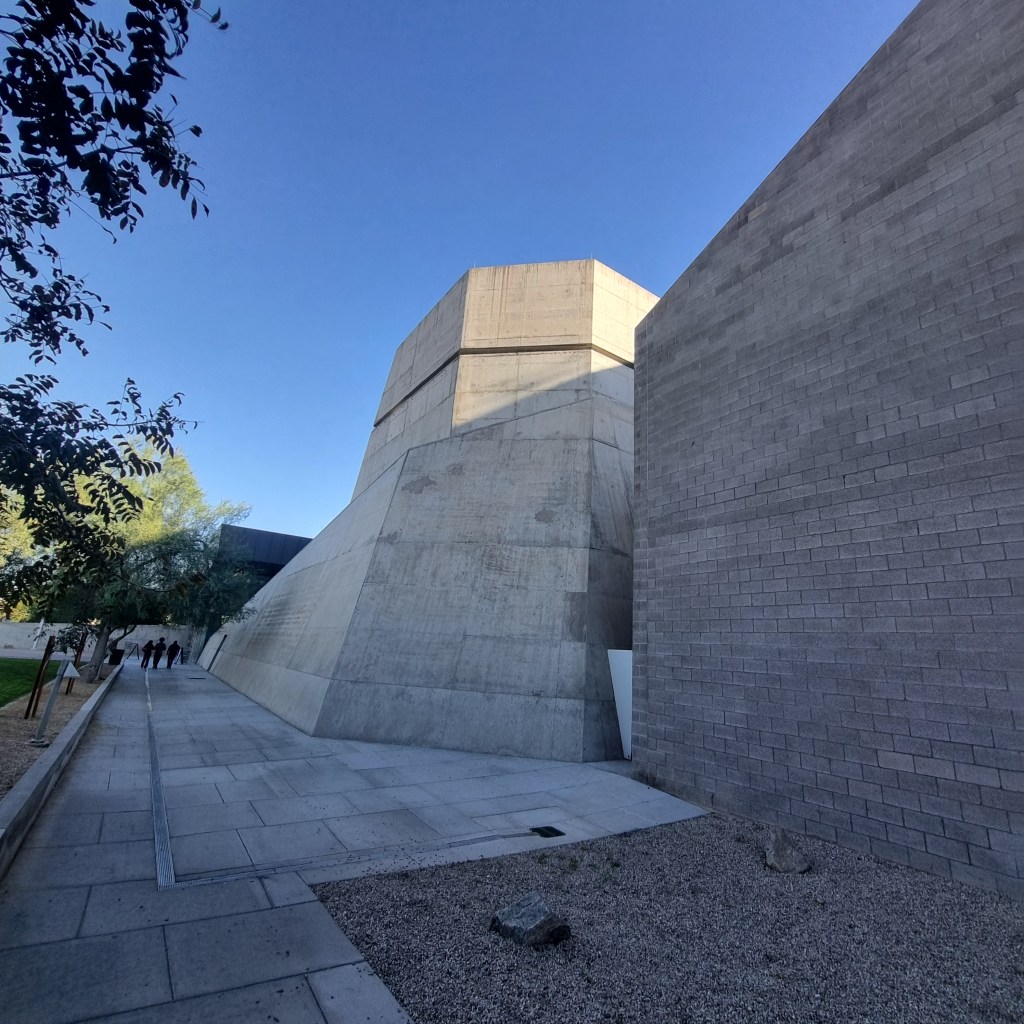
Formally, the Science Center is defined by its undulating profiles and sculptural massing, which abstract the forms of canyons and desert ridges. These gestures are not stylistic metaphors but spatial strategies that situate the building within its ecological context. The interplay of rugged volumes and voids creates a choreography of light and shadow, intensifying the visitor’s awareness of the desert environment. Natural light is harnessed throughout the interiors, reducing reliance on artificial lighting while heightening the experiential dimension of exhibition spaces.
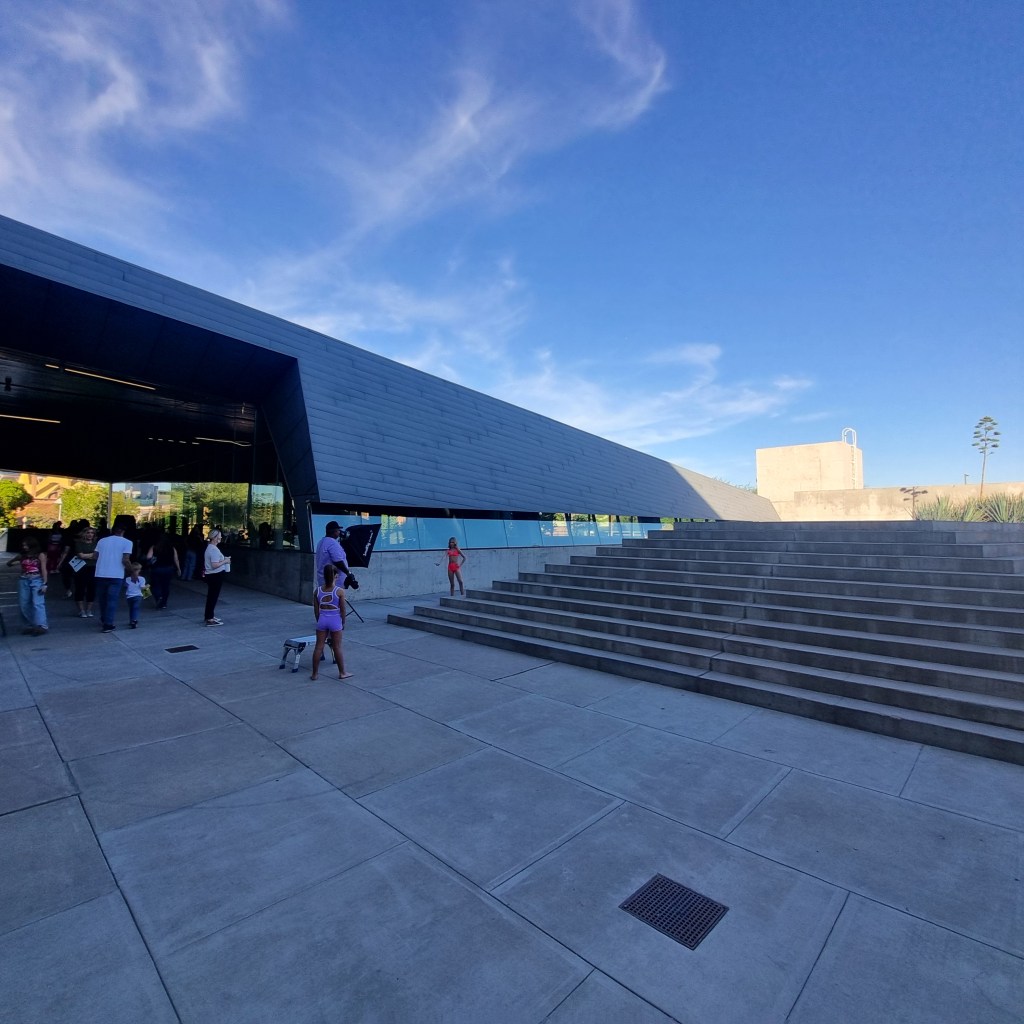
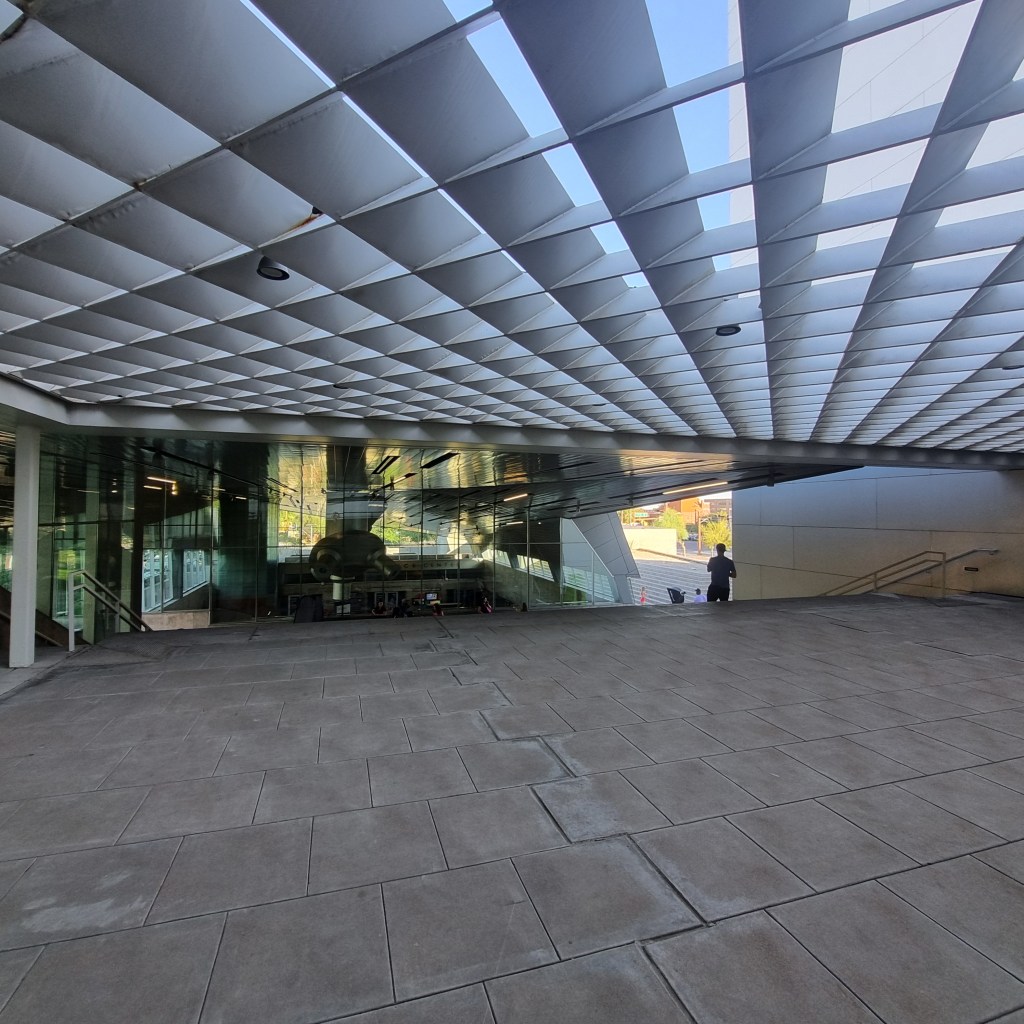
Materiality further reinforces the project’s regional grounding. The copper cladding, which gradually develops a patina, foregrounds temporal change and connects the building to the mineral richness of the desert. High-performance glazing and reclaimed interior materials demonstrate a commitment to sustainable construction, translating ecological awareness into tangible architectural expression. The result is a material palette that is both technologically forward and contextually resonant.
Critically, the Science Center positions itself as an active civic participant rather than a secluded cultural monument. Its permeable edges, shaded outdoor spaces, and visual transparency create an inviting public realm that strengthens community engagement. By blurring boundaries between educational interiors and urban exterior, the building expands the role of scientific institutions within everyday public life.
Image Credit: Manoj Parmar Architects


Leave a comment