
Towards Humanistic Urbanism
Leon Krier, an influential architect and urban planner, has become a fundamental figure in modelling contemporary urban planning through his defence of traditional architecture, the commitment to the community and sustainable design. His work is deeply rooted in the principles of classical urban planning, providing a counter-narrative to the modernist architectural discourse that dominated much of the 20th century and the early 21st century. By examining Krier’s influence, one can better appreciate how his ideals contribute to the thoughts on creation of liveable urban environments that prioritize community and human scale the human scale, social interaction and environmental sustainability.
Krier’s emphasis on traditional architecture is essential for his criticism of modernist urban design. He claims that the principles at the basis of classical architecture – including proportionality, ornaments and a clear hierarchy of spaces – are essential to encourage environments that resonate with human experiences and cultural identities. Krier’s projects often incorporate elements that recall historical cities, which give priority to aesthetic consistency, the identity of the community and historical continuity. His work encourages contemporary architects and urban planners to consider the functionality of buildings and spaces and their aesthetic and emotional impacts on individuals and communities. By supporting a return to traditional forms, Krier promotes urbanism that integrates harmoniously with the landscape, thus promoting a sense of belonging and property between the residents.
Community involvement is another central principle of Krier’s philosophy, which tries to enhance citizens in the urban planning process. Krier believes that the act of involvement of the community is crucial in modelling public spaces that reflect people’s needs and aspirations. His projects often underline the importance of participatory design, inviting residents to contribute with their intuitions and experiences to create more inclusive and representative urban environments. This participatory approach contrasts the methods often from top to bottom of modernist planning, which can alienate residents from their urban spaces. Krier’s defence for community involvement promotes social cohesion, as it authorizes individuals and encourages them to assume an active role in the life and development of their neighbourhoods. Through his work, Krier clarifies that the design guided by the community not only improves the functionality of urban spaces but also cultivates a solid sense of civic pride and responsibility.
In addition to traditional architecture and community involvement, Krier is a vocal supporter of sustainable design principles that align closely with the emerging speech on climate-resilient urban planning. His projects support viable neighbourhoods, the development of mixed-use and the intelligent integration of green spaces, which all contribute to reducing environmental impacts and improving the quality of urban life. By underlining the density and mixed-use programs, Krier’s principles recognize the need to minimize the consumption of resources by promoting social interaction and economic vitality. His criticisms of suburban expansion and car focus on cars serve as important reminders of the environmental consequences of contemporary urbanization and urge urban planners to consider ecological sustainability an integral component of urban design.
Krier’s influence extends beyond his architectural practice; He engaged in teaching and writing, spreading his ideas and philosophies widely. His work has inspired a generation of urban architects and designers who embrace the values of classical urbanism, involvement of the community and sustainability in their missions to create liveable urban environments. While urban challenges continue to intensify in the face of globalization and climate change, the principles of Krier offer a compelling Roadmap to encourage cities that prioritize the efficiency and the well-being and happiness of their inhabitants. Leon Krier’s rigorous, thoughtful ideas and argument have left a significant mark on contemporary urbanism, advocating for a holistic approach focused on meeting the urgent needs of our time.
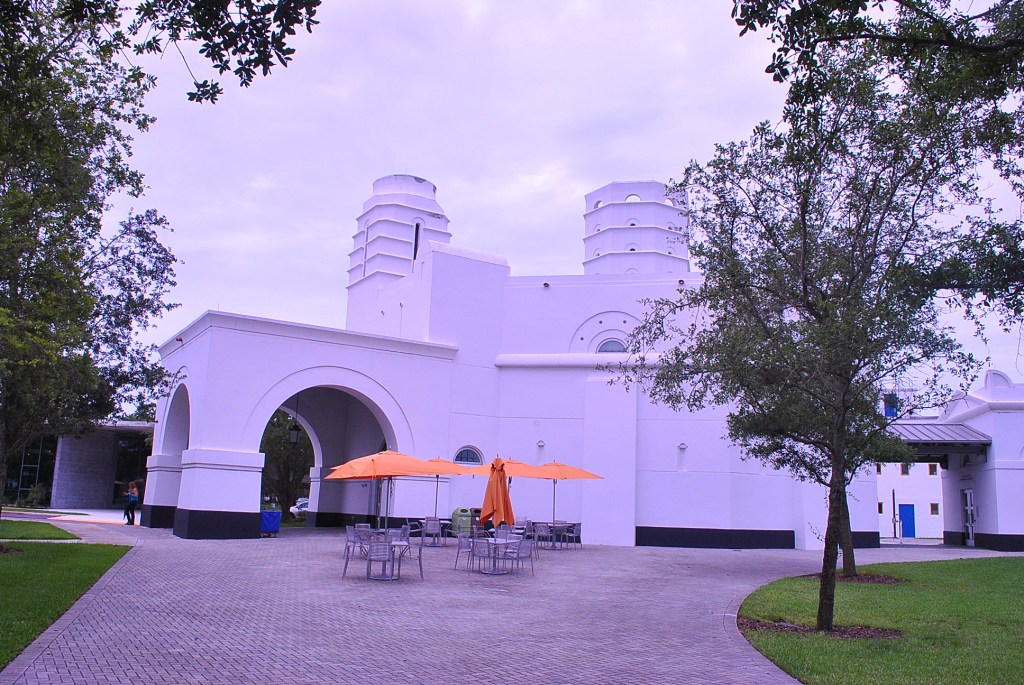
Image Credit: Manoj Parmar Architects | Leor Krier’s Project at University of Miami, FL


Leave a comment