

Brutalism and Modernity
Two buildings primarily dotting up the Yale University Campus architecture at New Haven. The Paul Rudolph’s Art and Architecture building and Marcel Breuer’s Becton engineering building. The first was completed in 1963 and later was completed in 1970, both exemplifies a significant moment in modern architecture, characterized by distinct design principles that emphasize functionality, aesthetic clarity and contextual integration. Breuer’s approach to this building highlights its mastery of materials and forms, ultimately establishing it as an essential component of its educational environment and a testimony of the architectural aspirations of the era.

At first glance, the aesthetic of Becton’s engineering building is surprising. The structure is mainly composed of reinforced concrete, showing Breuer’s affinity for the material and his belief in his expressive abilities. The robust geometry of the building is characterized by acute lines and angular shapes, creating a sense of dynamism that involves the spectator’s eye and interacts with the landscape of the surrounding campus. The choice of a minimum but monumental façade reflects Breuer’s commitment to a visual language that combines strength with simplicity, allowing the building to design the authority while remaining discreet. This approach aligns with the brutalist movement, of which Breuer was a prominent figure, in which the rawness of the materials served not only for aesthetic purposes, but also communicated the function and intent of the building.
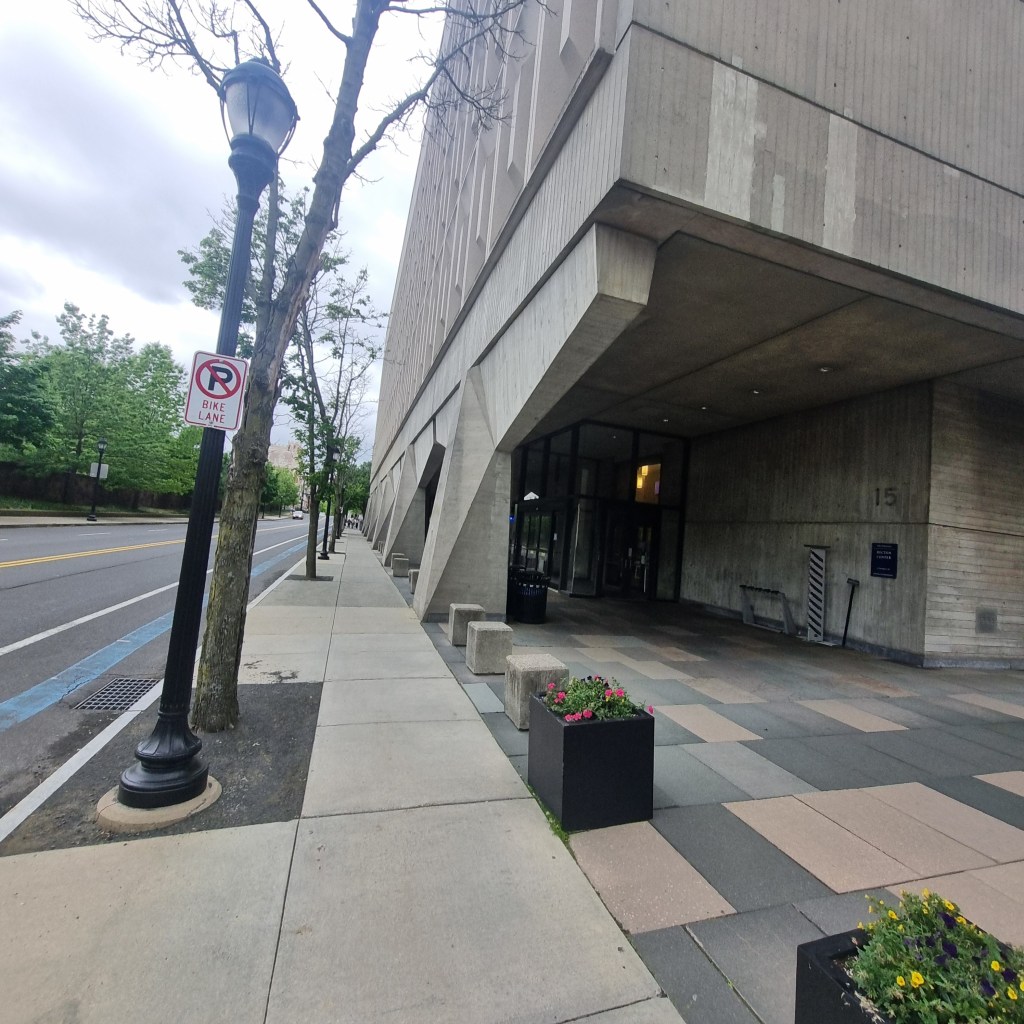
Functionality is a fundamental principle that permeates the design of Becton’s engineering building. The layout of the internal spaces is meticulously planned to support the complex needs of the engineering programs hosted inside. Breuer has cleverly organized rooms of lessons, workshops and collaborative work spaces to promote both individual study and group interaction among students. In addition, the large windows integrated into the design allow the natural light of permeating the work areas, promoting a favorable learning environment, also flowing the boundaries between the inside and outside. This weighted agreement reflects Breuer’s awareness of the functional needs of the educational environments and its ability to translate them into a coherent architectural solution.

In addition, the integration of Becton Engineering Building within its environment signals a profound understanding of the context. Located in a prominent position on the university campus, the building is committed to a dialogue with its landscape, respecting and improving the existing architectural fabric. Breuer’s design creates intentional external spaces, encouraging the interactions between students and teachers and promoting a sense of community. The careful attention to the surrounding environment demonstrates an essential aspect of Breuer’s architectural philosophy, in which buildings are not isolated but rather full components of their settings.
Ultimately, the architectural meaning of Marcel Breuer’s engineering building Becton lies in its aesthetic, functional reactivity and environmental integration. Through these design principles, Breuer has not only created a lasting educational structure, but also contributed to the broader narrative of the 20th century architecture, having a profound impact that continues to resonate today.
Images Credit: Manoj Parmar Architects


Leave a comment