
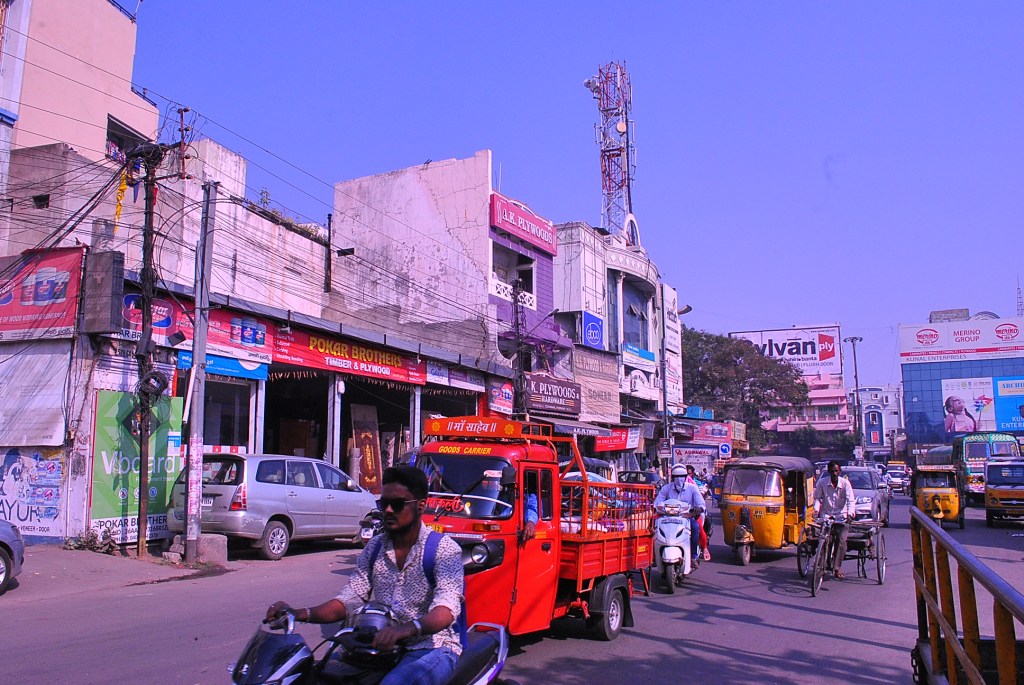
Urban areas are labyrinthine ecosystems that manifest intricate patterns of human behavior, social interactions, and environmental factors. These complexities are not static; they evolve through time dynamics and system transformations, which are driven by various forces, including technological advancements and changing societal needs. To understand and navigate this dynamic urban complexity, we must employ engagement strategies that marry complexity science with traditional design principles and technologies. Only through such integration can we hope to predict the various possibilities of sustainable urban environments that respond effectively to challenges. Complexity theory adopts systems theory as a unifying framework, foregrounding the idea that every unit is embedded within a larger system, while simultaneously containing a coherent whole within itself.
Complexity science offers a profound lens through which we can examine urban phenomena. By recognizing cities as complex adaptive systems, we acknowledge that they consist of numerous interdependent components that interact and evolve over time. Prof Ulysses Sengupta (Professor of Architecture and Urbanism at the Manchester School of Architecture, MSA) elucidates this notion, highlighting how understanding urban complexity is essential for effective urban strategies. Urbanist must adopt a holistic approach informed by this complexity, considering how various elements such as population movement, transportation, and resource distribution interrelate and impact one another.
As we engage with the urban environment, the traditional design paradigms must evolve to reflect the realities of time dynamics. The adaptability of urban design is crucial; it must account for the rapid pace of change driven by both social and technological shifts. The integration of smart city technologies presents unprecedented opportunities to enhance urban dynamics. Technologies such as data analytics, IoT (Internet of Things), and AI enable real-time monitoring and assessment of urban systems, allowing urbanist to respond to emerging patterns and needs effectively. Prof. Sengupta emphasizes this impact, noting that by utilizing these advanced technologies, urban engagement strategies can evolve to foster greater community interaction and participation.
Traditional design principles play a pivotal role in this integration. The aesthetics and functionality of urban spaces can guide the user experience, fostering an environment conducive to social interactions and collaboration. However, traditional design cannot operate in isolation; it must be enhanced by a deep understanding of urban complexity and supported by smart technologies. In this regard, historical precedence in urban design practices provides valuable lessons. By examining how cities have adapted over time and how their systems have shifted in response to both internal and external pressures, we can glean insights applicable to current urban challenges.
Moreover, as cities become increasingly crowded and resources become strained, community engagement becomes paramount. Effective engagement strategies need to incorporate citizen input while utilizing data-driven methods to understand urban behaviors and demands. The integration of complexity science allows urbanist to forge deeper connections with the communities they serve, employing tools that include participatory design and crowdsourced urban solutions. These strategies must focus on creating channels through which diverse voices can shape urban policies and transformations.
The examination of urban complexity through time dynamics and system transformations necessitates an integrative approach. By leveraging complexity science, traditional design elements, and smart city technologies, urban planners can develop robust engagement strategies that respond effectively to the fast-paced changes characterizing modern cities. This harmonious blend enhances both the resilience and adaptability of urban environments, allowing them to thrive in an increasingly complex world. Developing such comprehensive strategies not only ensures better urban living conditions but also fosters a sense of ownership and pride among city dwellers. Ultimately, it is this convergence of disciplines that will shape the cities of the future, ensuring they are not just livable, but also thriving ecosystems for all that resonates and adapt the changes.
KRVIA Post-Graduate Department (Urban Design & Urban Conservation) organized a one day workshop on “Complex South” in collaboration with Manchester School of Architecture, UK.
Workshop Conductor: Prof Ulysses Sengupta (MSA) | Dr Mahmud Tantoush (MSA) | Dr Debapriya Chakrabarty (MSA) | Dr Binti Singh (KRVIA)
Image Credit: Manoj Parmar Architects


Leave a comment