
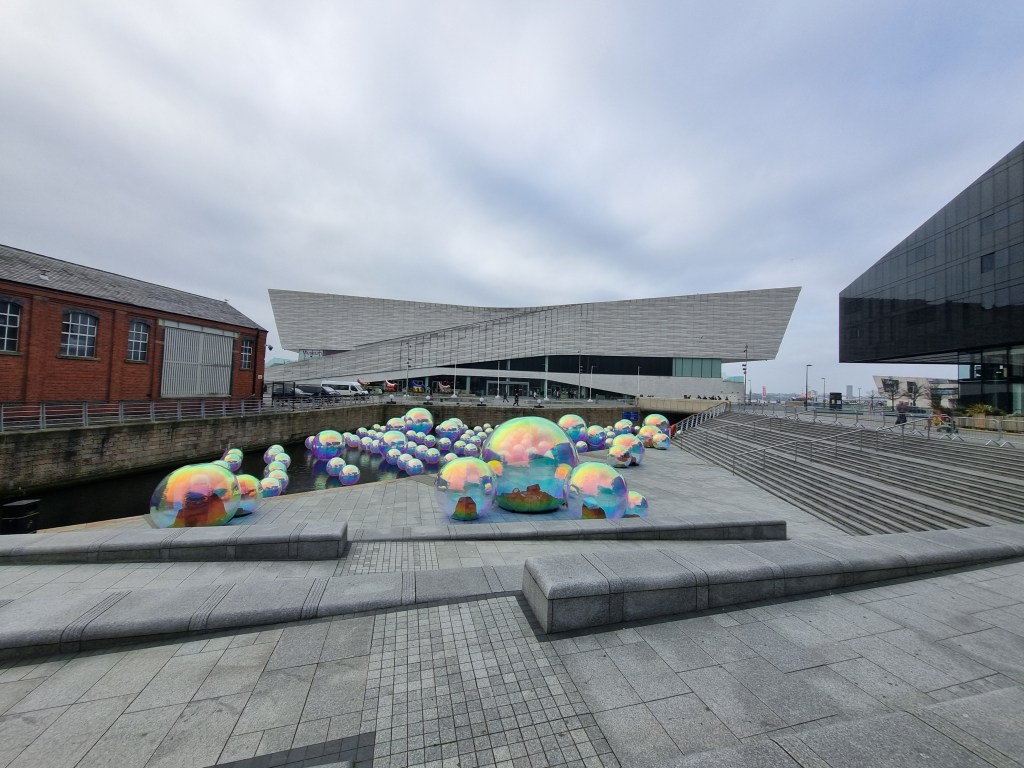
The recent or rather ironically historical trends of building architecture to commemorate war memories are always the focus of architectural discourse. Several such memorials are built across the globe to showcase the prowess of war enterprise coupled with boosting heritage/revival tourism and building city image.
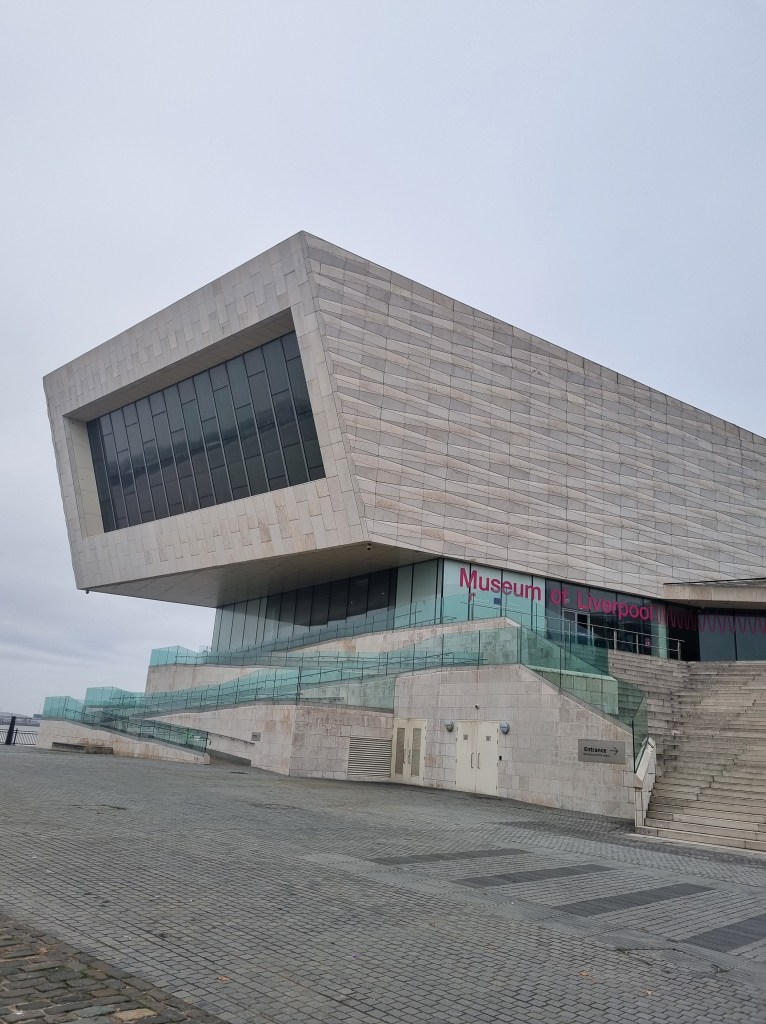
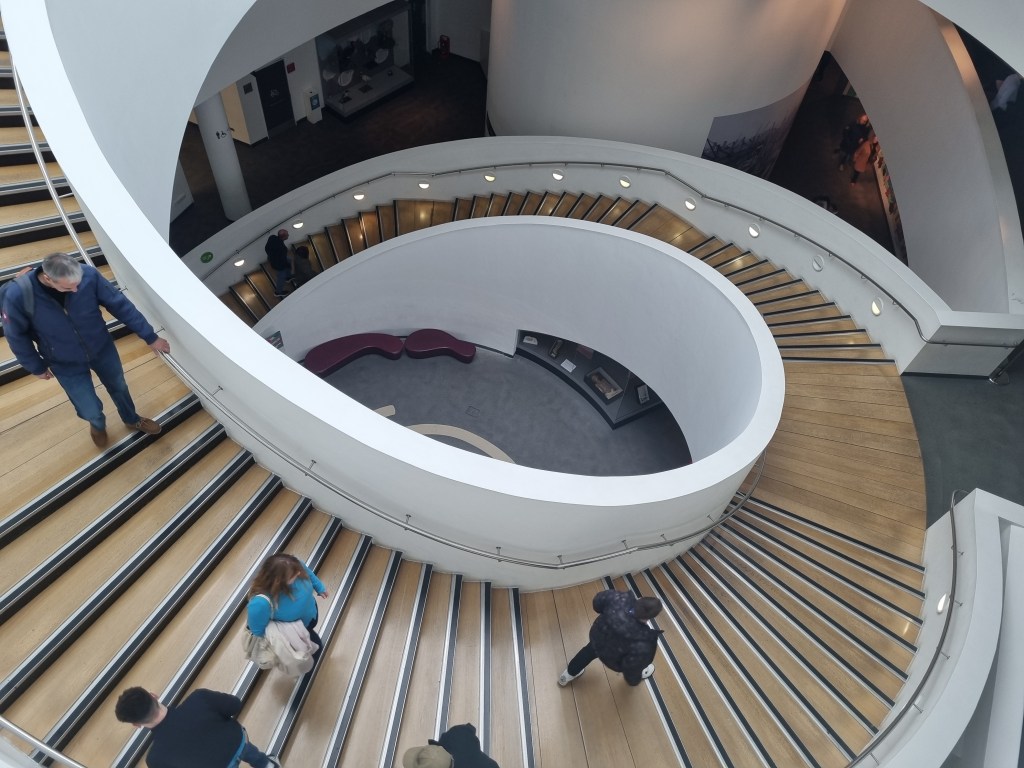
Needless to state such architectural images are often an outcome of an “architectural laissez-faire approach” that helps build scenographic images of the city rather than architecture in cultural or semantic production terms. This is precisely the post-modern thinking mindset where the replicas and originality are easily exchangeable, in the pursuits of architecture that is pompous but casual, eidetic but non-engaging, and popular but not critical. The two examples of such memorials are the Museum of Liverpool & Imperial War Museum at Manchester, experiencing both museums evokes two fundamental observations: The first one is that the architecture is reduced to elemental generalities not due to abstraction but rather imprecise semantic processes that are necessary to engage architecture to context and the second one: In didactic terms, the bridge between
perceivable and intelligible are destroyed and helping the unity and continuity of architectural knowledge to be merely illusory.
We are witnessing the era of architectural experimentation in the process of progressive generalized abstraction not allowing the sensory experience to assimilate the relationship of concrete to abstract or vice versa.
Image Credit: Manoj Parmar Architects
Museum of Liverpool



Imperial War Museum at Manchester


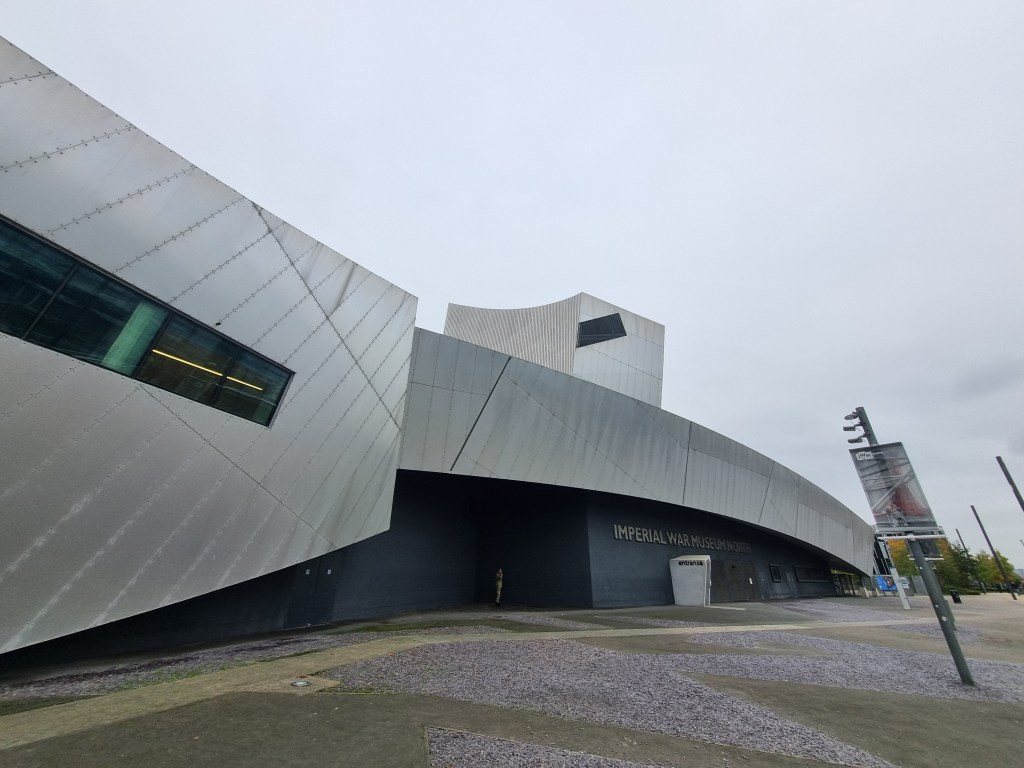

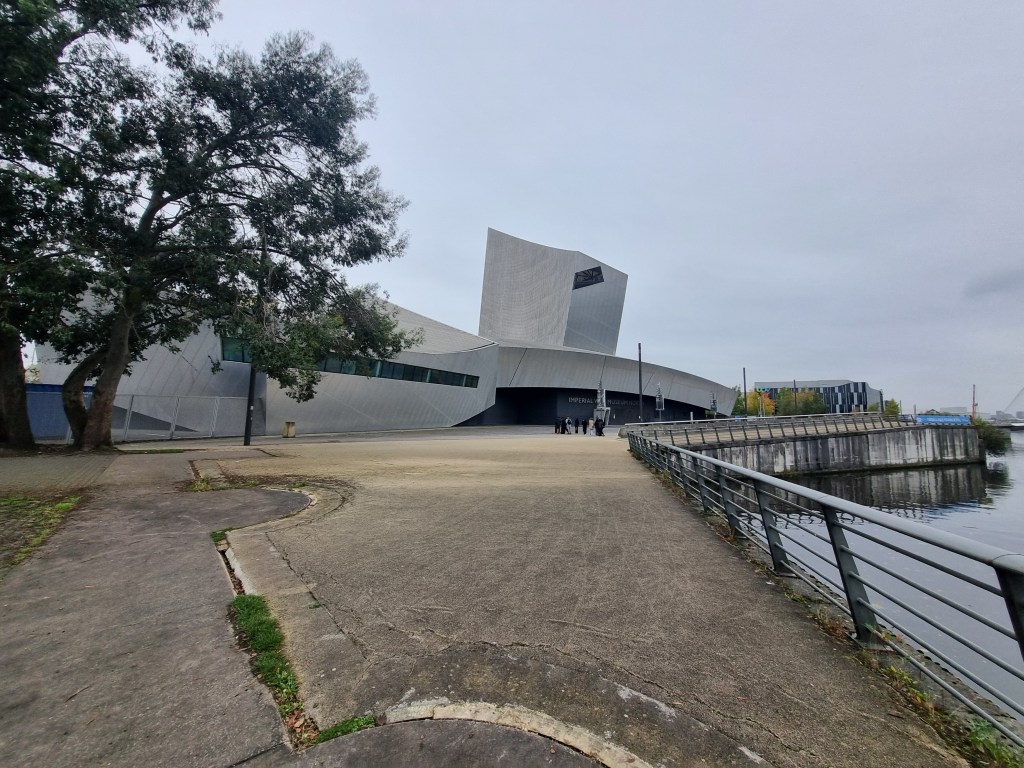
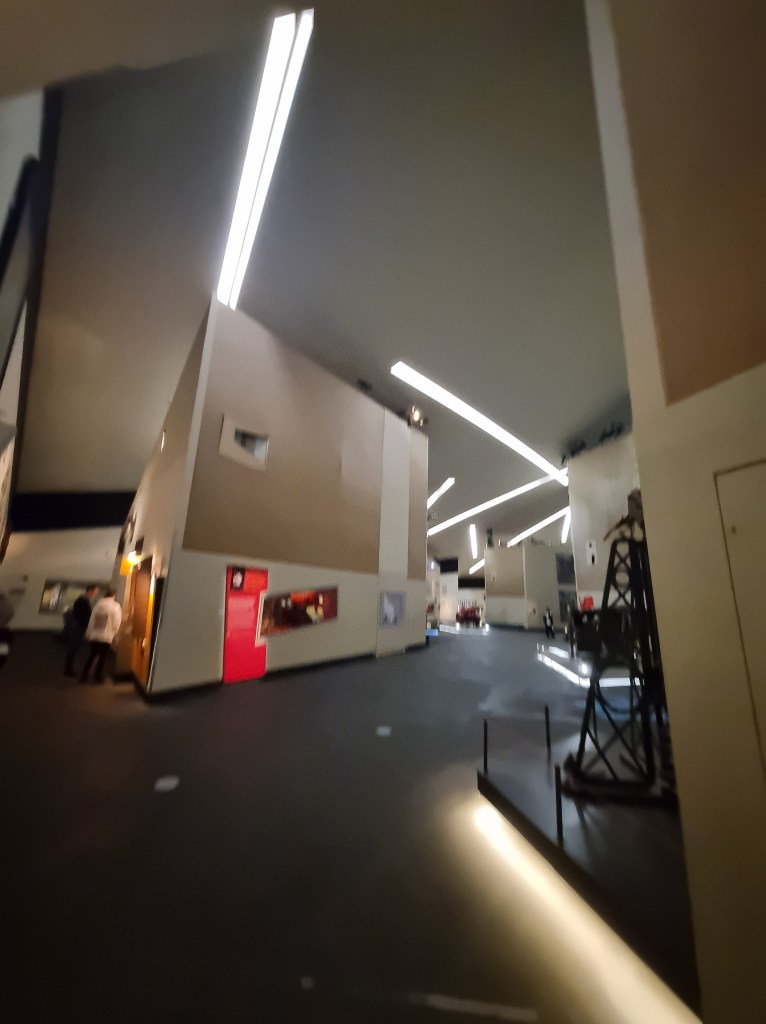
Image Credits: Manoj Parmar Architects


Leave a comment